Ever wondered why a product works wonders for someone else but does nothing for you? The answer often lies in your hair texture. A hair texture chart is one of the most helpful tools for understanding how your hair behaves and what it truly needs.
In this guide, we’ll break down the hair texture chart in plain language, covering everything from the natural hair texture chart to charts for black hair, curly hair, men, and even babies. Once you know your texture, caring for your hair gets a whole lot easier.
What Is a Hair Texture Chart?
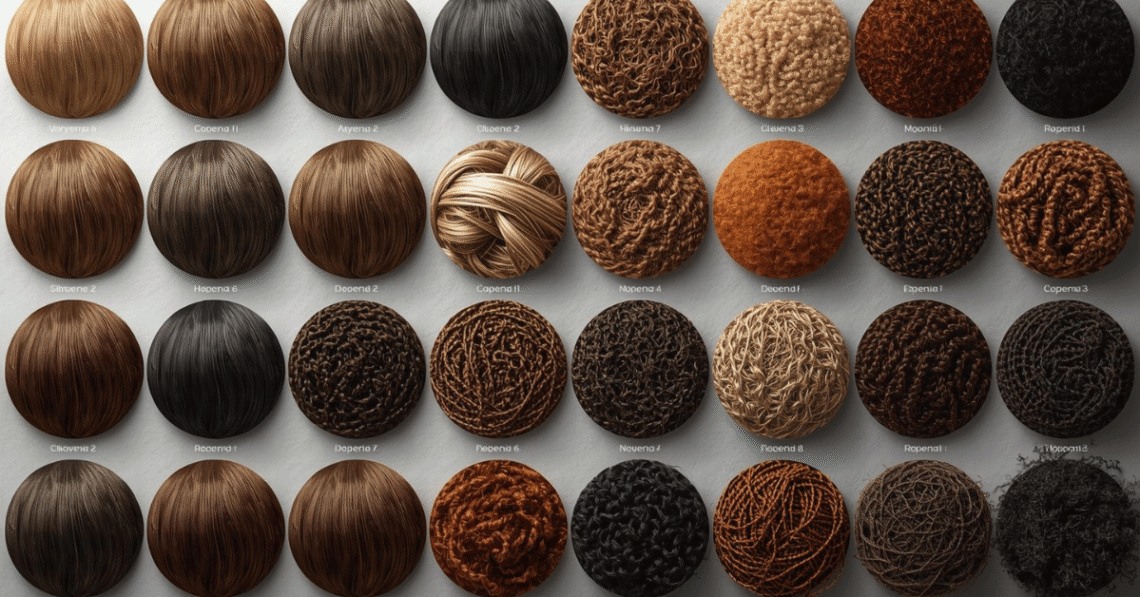
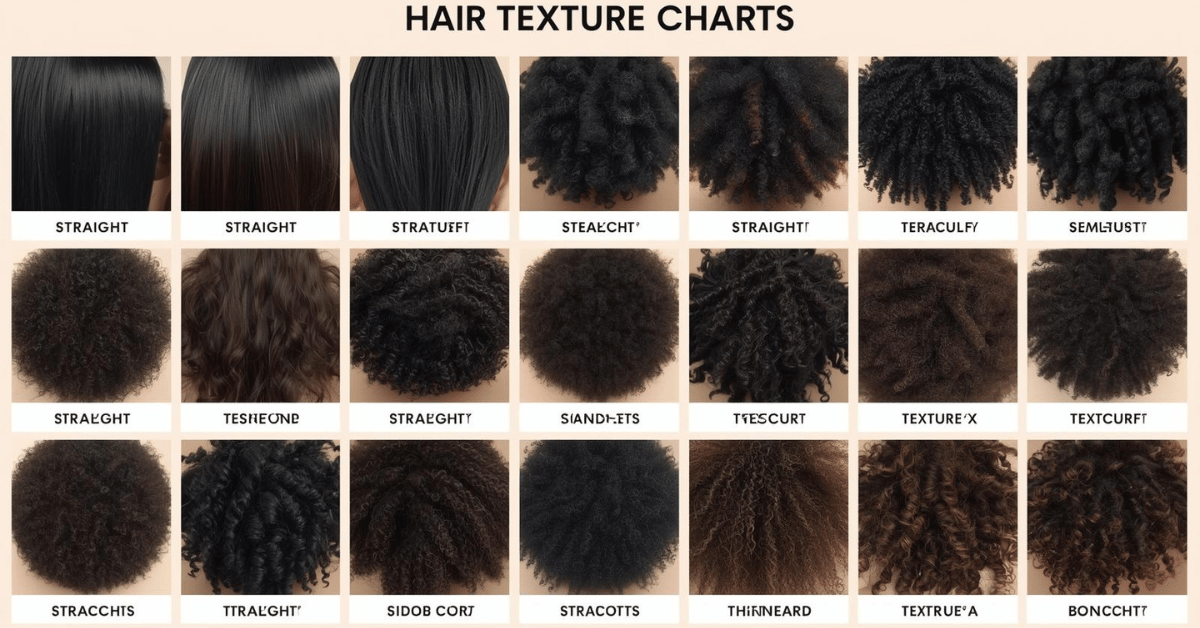
A hair texture chart is a visual system used to classify hair based on curl pattern, thickness, and behavior. It helps identify how straight, wavy, curly, or coily your hair is.
Most charts use a numbering and lettering system:
-
Type 1: Straight
-
Type 2: Wavy
-
Type 3: Curly
-
Type 4: Coily/Kinky
Each type is further divided into A, B, and C for more accuracy.
Natural Hair Texture Chart Explained
The natural hair texture chart is widely used in the natural hair community to understand untreated hair in its natural state.
1: Straight Hair
-
1A: Fine and flat
-
1B: Slight volume
-
1C: Thick with body
2: Wavy Hair
-
2A: Loose, barely-there waves
-
2B: Defined waves
-
2C: Thick, frizz-prone waves
3: Curly Hair
This section often appears in a curly hair texture chart.
-
3A: Loose curls
-
3B: Springy ringlets
-
3C: Tight corkscrews
4: Coily Hair
Commonly shown in the black hair texture chart.
-
4A: Defined coils
-
4B: Z-shaped pattern
-
4C: Tight coils with minimal definition
Black Hair Texture Chart: Why It’s Unique
A black hair hair texture chart focuses mainly on Type 3 and Type 4 textures. These hair types tend to be more fragile due to tighter curl patterns and require extra moisture.
Key characteristics include:
-
Higher shrinkage
-
Slower moisture retention
-
Greater versatility in styling
Understanding this chart helps prevent breakage and encourages healthier hair routines.
Curly Hair Texture Chart: Managing Definition and Frizz
A curly hair textures chart is especially useful for choosing the right styling products.
Curly hair typically:
-
Needs more hydration
-
Benefits from curl creams and gels
-
Responds well to low-manipulation styles
Knowing whether you’re 3A, 3B, or 3C can change your entire routine.
Caucasian Hair Textures Chart Explained
The caucasian hair textures chart often includes Types 1 through 3. Hair density and strand thickness vary widely in this category.
Common traits:
-
Straighter hair may get oily faster
-
Wavy and curly types may struggle with frizz
-
Lightweight products usually work best
Understanding texture helps avoid overloading hair with heavy products.
Hair Texture Chart for Men
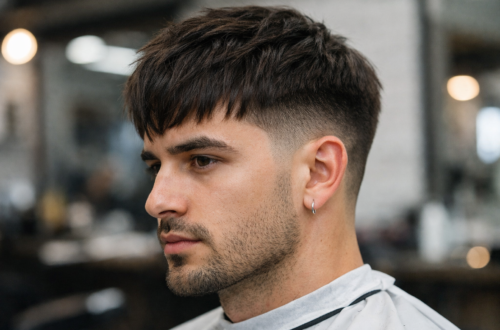
A hairs textures chart men use is the same system, but styling needs differ.
Why men benefit from texture charts:
-
Better haircut selection
-
Improved beard-to-hair blending
-
Smarter product choices
Knowing your texture helps barbers create cleaner, more flattering styles.
Baby Hair Texture Chart: What Parents Should Know
A baby hair textures chart helps parents understand early hairs patterns—but with a caveat.
Important notes:
-
Baby hair can change over time
-
Texture may shift in the first 2–3 years
-
Gentle care matters more than classification
Use the chart as a guide, not a permanent label.
How to Identify Your Hair Texture Accurately
To find your texture:
-
Wash hair with no products
-
Let it air-dry naturally
-
Observe curl pattern, thickness, and shrinkage
Avoid judging hair when stretched or styled—it gives false results.
Read also <<< How Long Does Hair Tinsel Last
FAQs About Hair Texture Charts
Can someone have more than one hair texture?
Yes. Many people have multiple textures on different parts of their scalp.
Does hair texture change over time?
It can. Hormones, age, and chemical treatments may alter texture.
Is hair texture the same as hair thickness?
No. Texture refers to curl pattern, while thickness refers to strand width.
Which hair texture needs the most moisture?
Type 3 and Type 4 textures typically need the most hydration.
Are hair texture charts scientifically proven?
They’re not medical tools, but they’re widely accepted in cosmetology and hair care industries.
Conclusion: Why the Hair Texture Chart Matters
A hair texture chart is more than just labels—it’s a roadmap to healthier hair. Whether you’re exploring a natural hair texture chart, understanding black hair patterns, or learning about baby hair, knowing your texture empowers smarter care and styling choices.