If you’ve ever stared at a salon color menu and felt overwhelmed, you’re not alone. The Redken Shades EQ chart can look complex at first—but once you understand it, it becomes one of the most powerful tools for creating beautiful, customized hair color.
In this guide, we’ll break down the Redken Shades EQ chart in a clear, human way. You’ll learn how levels and tones work, how stylists use the chart, and how to choose the right shade for glossing, toning, or refreshing your color.
What Is Redken Shades EQ?
Redken Shades EQ is a demi-permanent, acidic hair gloss designed to enhance tone, add shine, and improve hair condition without harsh damage.
Why professionals love it:
-
No ammonia
-
Gentle, acidic formula
-
Adds shine and softness
-
Perfect for toning, refreshing, and correcting color
The Redken Shades EQ chart is what makes this system so customizable.
Understanding the Redken Shades EQ Chart Basics
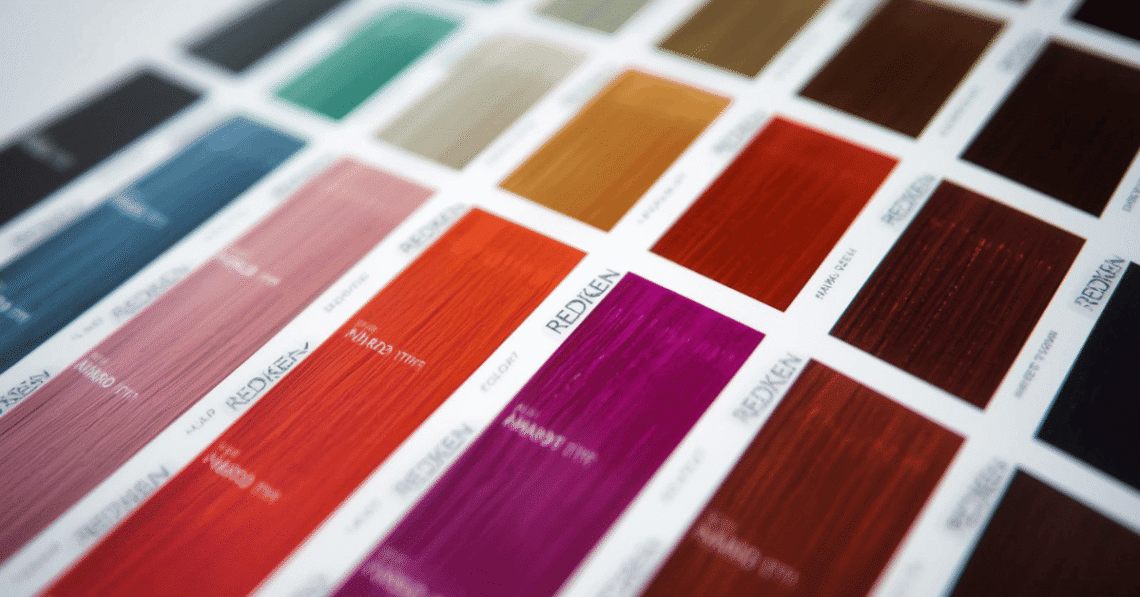
The Redken Shades EQ chart is organized by levels and tones. Once you understand those two elements, everything clicks.
Hair Levels Explained
Levels describe how light or dark a shade is:
-
Level 1 = Black
-
Level 5 = Light brown
-
Level 7 = Dark blonde
-
Level 10 = Lightest blonde
Choosing the correct level ensures the shade matches or enhances the hair’s natural or pre-lightened base.
Tone Families on the Redken Shades EQ Chart
Each shade includes letters that describe tone direction. These letters are the real magic behind color customization.
Common tone codes include:
-
N – Natural
-
G – Gold
-
B – Blue
-
V – Violet
-
P – Pearl
-
R – Red
-
C – Copper
Understanding tone families helps neutralize unwanted warmth or add richness exactly where it’s needed.
How Stylists Use the Redken Shades EQ Chart
Professional colorists rarely use just one shade. The Redken Shades EQ chart is designed for mixing and layering tones.
Stylists use it to:
-
Neutralize brassiness
-
Refresh faded mid-lengths and ends
-
Add warmth or coolness
-
Balance uneven color
This flexibility is why Shades EQ is considered a salon essential.
Popular Redken Shades EQ Chart Categories
Natural and Neutral Shades
These are perfect for:
-
Gray blending
-
Natural-looking glosses
-
Subtle color refreshes
They’re often used as a base when mixing brighter tones.
Cool and Ash Tones
Cool tones from the Redken Shades EQ chart help:
-
Cancel yellow or orange hues
-
Maintain icy blondes
-
Create smoky brunettes
Violet and blue-based shades are especially popular for blondes.
Warm and Red Tones
Warm tones add richness and vibrancy.
They’re ideal for:
-
Enhancing copper or auburn shades
-
Adding warmth to dull hair
-
Creating fall-inspired tones
Used correctly, warm tones look glossy—not brassy.
How to Choose the Right Shade from the Redken Shades EQ Chart
Before selecting a shade, consider:
-
Current hair level
-
Desired tone (cool, neutral, or warm)
-
Amount of gray coverage needed
-
Porosity and condition of the hair
The best results come from choosing shades that complement—not fight—the existing color.
Tips for Best Results with Shades EQ
To get the most from the Redken Shades EQ charts:
-
Always assess hair in natural lighting
-
Don’t skip strand tests
-
Mix shades thoughtfully
-
Follow recommended processing times
Because it’s demi-permanent, Shades EQ fades beautifully without harsh lines.
Read also <<< Hair Type Chart
FAQs About the Redken Shades EQ Charts
Is Redken Shades EQ permanent?
No. It’s a demi-permanent gloss that fades gradually over time.
Can Redken Shades EQ cover gray hair?
It can blend and soften gray, but it won’t provide full opaque coverage like permanent color.
How long does Shades EQ last?
Typically 4–6 weeks, depending on hair care and wash frequency.
Can Shades EQ lighten hair?
No. It only deposits tone—it does not lift natural pigment.
Is the Redken Shades EQ charts beginner-friendly?
With basic knowledge of levels and tones, it’s easy to understand—but professional guidance is recommended.
Conclusion: Why the Redken Shades EQ Chart Matters
The Redken Shades EQ chart isn’t just a list of colors—it’s a roadmap to healthy, glossy, personalized hair color. Whether you’re toning blonde, refreshing brunette, or correcting unwanted warmth, understanding the chart helps you achieve predictable, beautiful results.