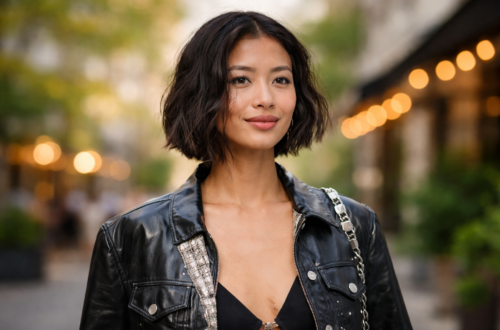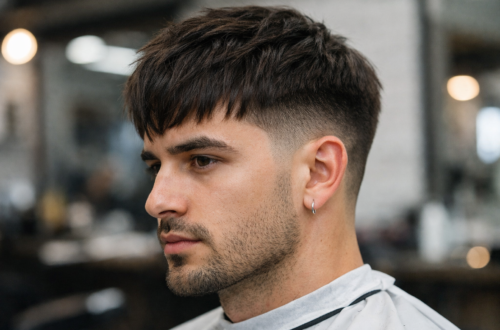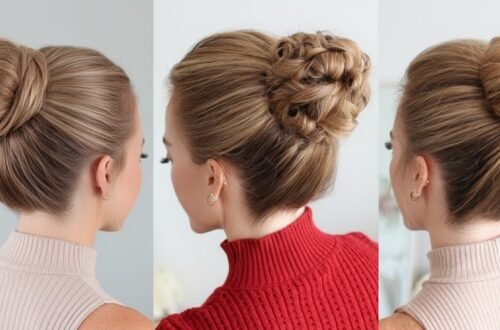
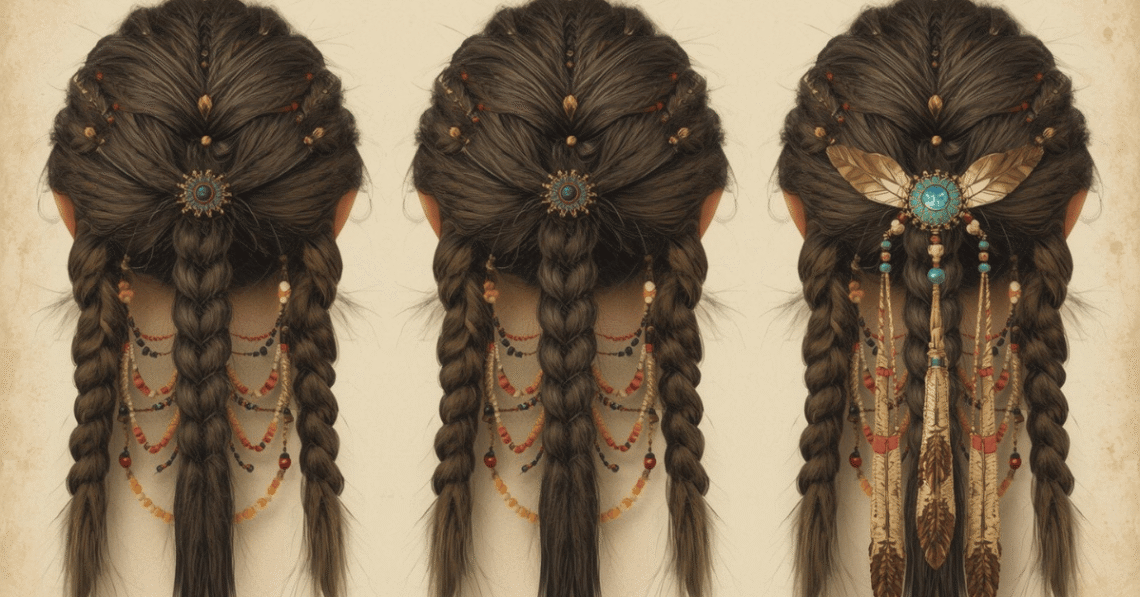
Hair is never “just hair” in many cultures, and that’s especially true when talking about Native American hairstyles. For centuries, hair has carried deep spiritual, cultural, and personal meaning among Indigenous tribes across North America. From long flowing hair to braids and symbolic cuts, each style tells a story.
In this guide, we’ll explore traditional Native American hairstyles, how men and women wore their hair historically, and how modern Native American hairstyles have evolved today—while still honoring tradition.
The Cultural Meaning Behind Native American Hairstyles
Before diving into specific styles, it’s important to understand why hair matters so much in Native American cultures.
For many tribes, hair represents:
-
Strength and identity
-
Spiritual connection
-
Respect for ancestors
-
Life experiences and status
Cutting hair was often reserved for times of mourning or major life transitions, not everyday fashion choices.
Traditional Native American Hairstyles
Traditional Native American Hairstyles for Men
Historically, Native American hairstyles male styles varied by tribe, region, and purpose.
Common traditional men’s hairstyles included:
-
Long, loose hair worn naturally
-
Single or double braids
-
Shaved sides with long top (seen in some Plains tribes)
-
Hair tied back with leather or sinew
Contrary to popular belief, not all Native American men wore the same hairstyle. Each tribe had its own customs and meanings.
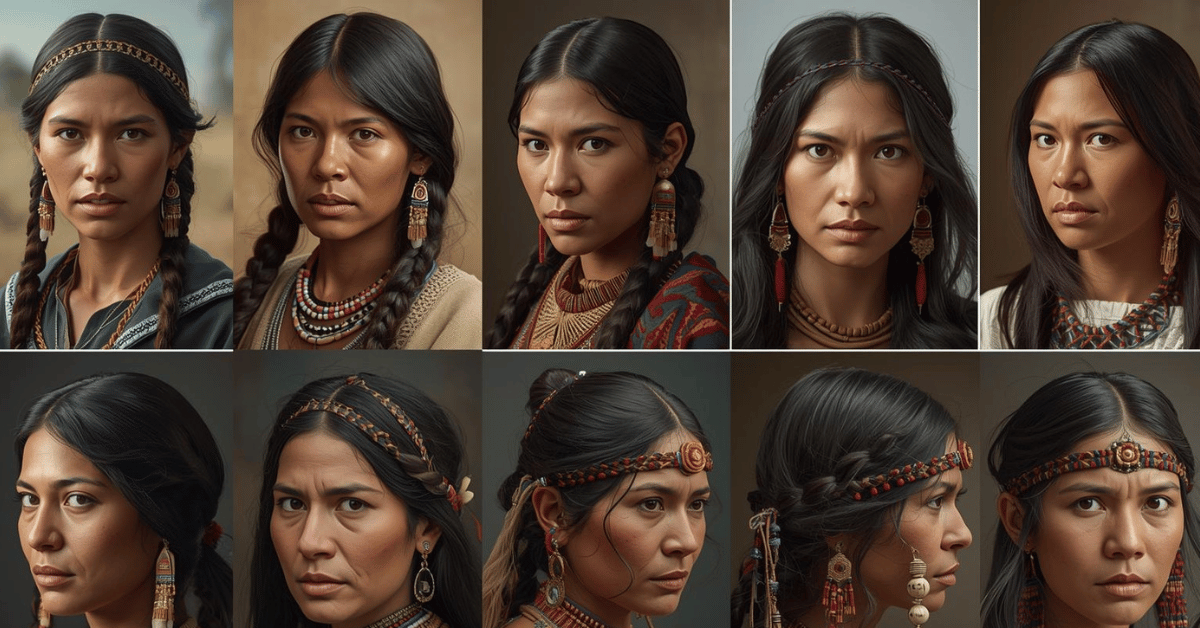
Traditional Native American Hairstyles for Women
Native American hairstyles female traditions often focused on long, well-kept hair as a symbol of femininity and strength.
Common styles included:
-
Two long braids parted down the middle
-
Hair wrapped or tied with cloth or leather
-
Simple buns for daily life
Women’s hair was typically kept long throughout life, reflecting continuity, wisdom, and family ties.
Native American Hairstyles for Women Today
Modern Native Americans Hairstyles Female
Today, many Indigenous women blend tradition with personal expression. Modern Native American hairstyles female styles often honor cultural roots while embracing contemporary fashion.
Popular modern styles include:
-
Long braids with modern accessories
-
Loose, natural hair with subtle waves
-
Braided crowns or half-up styles
-
Traditional braids paired with modern cuts
These styles allow women to celebrate heritage while expressing individuality.
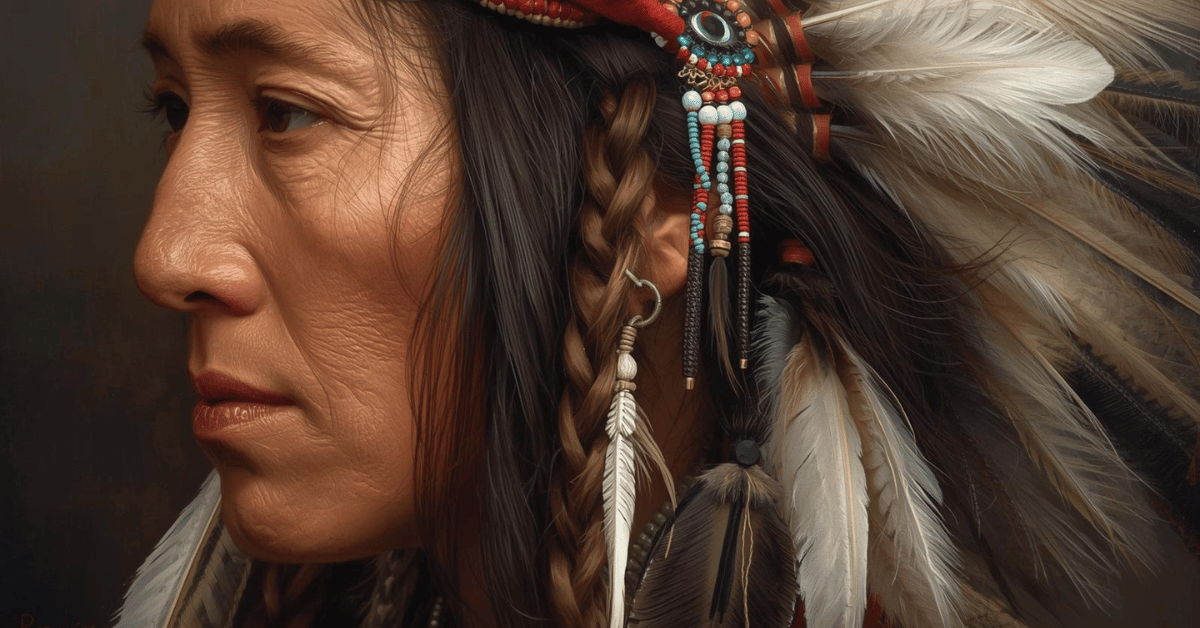
Native American Hairstyles for Men Today
Modern Native Americans Hairstyles Male
Native Americans hairstyles men have also evolved, combining tradition with modern grooming trends.
You’ll often see:
-
Long hair tied into a low ponytail
-
Braids paired with fades or undercuts
-
Shoulder-length hair worn naturally
-
Traditional braids for ceremonies
Many male Native Americans hairstyles today reflect pride in cultural identity while fitting into modern lifestyles.
Braids in Native American Hairstyles
The Braids are one of the most recognized elements of traditional Native Americans hairstyles, but their meaning goes far beyond aesthetics.
Braids often symbolize:
-
Mind, body, and spirit
-
Unity and balance
-
Respect for cultural teachings
The number of braids, how they’re worn, and when they’re styled can all carry significance depending on the tribe.
Avoiding Stereotypes and Cultural Respect
It’s important to approach Native Americans hairstyles with respect. These styles are not costumes or trends—they are cultural expressions tied to history and identity.
If you admire these hairstyles:
-
Learn the cultural background
-
Avoid wearing sacred styles casually
-
Listen to Indigenous voices and perspectives
Read also <<< Half Up Half Down Hairstyles
FAQs About Native American Hairstyles
Did all Native Americans wear long hair?
No. Hair length and styles varied by tribe, gender, and time period.
Are braids sacred in Native American culture?
For many tribes, yes. Braids often hold spiritual and cultural meaning.
Can non-Natives people wear Native American hair styles?
Simple braids are universal, but sacred or ceremonial styles should be approached with respect and cultural awareness.
Do modern Native Americans still follow traditional hairstyles?
Many do, especially for ceremonies, while others blend tradition with modern styles.
Why was hair cut during mourning?
Cutting hair symbolized grief, loss, and life transition in many tribes.
Conclusion: Honoring the Past While Embracing the Present
Native American hairstyles are powerful expressions of identity, spirituality, and tradition. From traditional Native American hairstyles for men and women to modern interpretations, these styles continue to evolve while staying deeply rooted in culture.
Whether you’re learning out of respect, curiosity, or appreciation, understanding the meaning behind these hairstyles is the first step. Explore more Indigenous history, listen to Native voices, and appreciate these styles for what they truly represent—not just how they look.