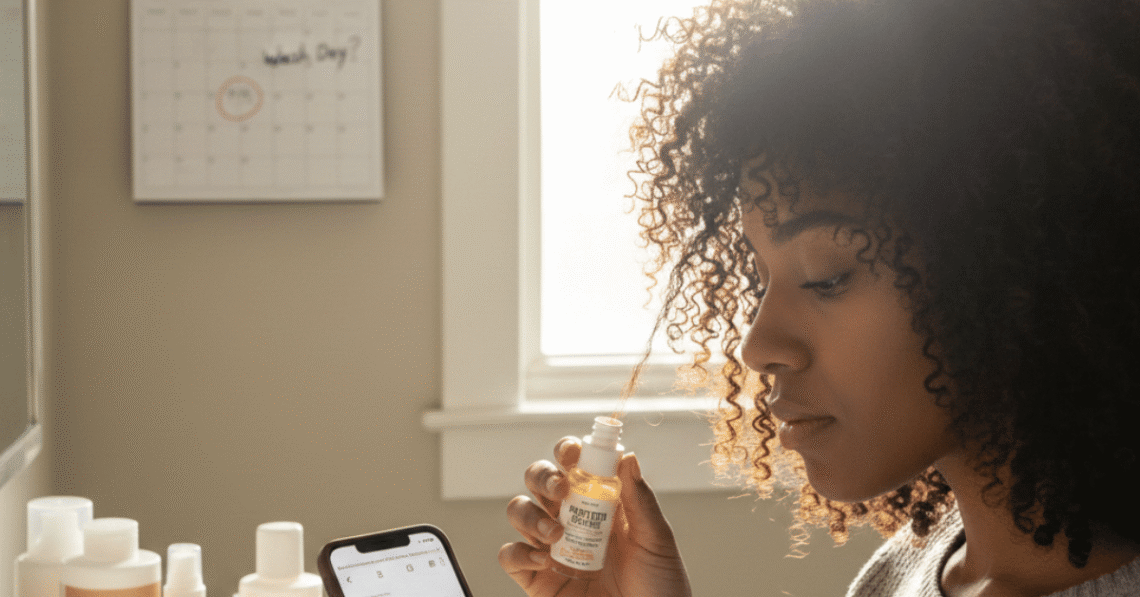
If you’ve ever stared at a product label wondering whether protein is helping or hurting your hair, you’re not alone. One of the most common questions in textured hair care is does low porosity hair need protein—or is moisture the real priority?
The short answer? Yes, low porosity hair can benefit from protein—but only in the right amounts and at the right time. Let’s break it down in a way that actually makes sense.
What Is Low Porosity Hair?
Low porosity hair has tightly closed cuticles that resist absorbing moisture and products. Water often beads up on the surface instead of soaking in, which can make hydration tricky.
Common Signs of Low Porosity Hair
-
Products sit on top instead of absorbing
-
Hair takes a long time to get fully wet
-
Build-up happens easily
-
Hair feels dry even after conditioning
Understanding this structure is key to answering does low porosity hair need protein or moisture.
Does Low Porosity Hair Need Protein or Moisture?
Low porosity hair needs moisture first, but protein still plays a role. Because the cuticle is already compact, too much protein can cause stiffness and dryness.
That said, protein helps strengthen hair strands and prevent breakage when used sparingly.
The Real Balance Looks Like This
-
Moisture = foundation
-
Protein = occasional support
-
Overdoing either causes problems
How Protein Affects Low Porosity Hair
Protein works by filling weak spots in the hair strand. But low porosity hair already has a tight structure, so heavy proteins can sit on the surface instead of penetrating.
When Protein Helps
-
Hair feels overly soft or mushy
-
Excessive shedding or breakage
-
After chemical treatments or heat damage
When Protein Hurts
-
Hair feels stiff or brittle
-
Increased dryness after wash day
-
Hair snaps instead of stretches
This is why the answer to does low porosity hair need protein isn’t a simple yes or no.
Best Types of Protein for Low Porosity Hair
Not all proteins are equal. Low porosity hair responds best to lightweight, hydrolyzed proteins that can penetrate more easily.
Protein Ingredients to Look For
-
Hydrolyzed silk protein
-
Hydrolyzed wheat protein
-
Amino acids
-
Rice protein (in low concentration)
Avoid heavy proteins like keratin or collagen in frequent use.
How Often Should Low Porosity Hair Use Protein?
Most people with low porosity hair only need protein once every 4–6 weeks, depending on hair condition.
Signs You Need a Protein Treatment
-
Limp curls with no definition
-
Excessive shedding
-
Hair feels overly soft and weak
Signs You’ve Had Too Much Protein
-
Hair feels hard or straw-like
-
Increased tangling
-
Hair won’t absorb moisture
Listening to your hair is more important than following a strict schedule.
Moisture Tips for Low Porosity Hair
Since moisture is the priority, application technique matters just as much as products.
Best Moisturizing Practices
-
Apply products on damp or warm hair
-
Use steam or warm towels
-
Choose lightweight, water-based products
-
Clarify regularly to prevent buildup
These steps help moisture actually penetrate the cuticle.
FAQs About Low Porosity Hair and Protein
Does low porosity hair need protein at all?
Yes, but only occasionally and in small amounts.
Does low porosity hairs need protein or moisture more?
Moisture should always come first; protein is secondary support.
Can protein damage low porosity hair?
Too much protein can cause dryness and stiffness.
How do I know if my hair needs protein?
If it feels weak, mushy, or overly soft, protein may help.
What happens if I avoid protein completely?
Hair may lose strength over time and become prone to breakage.
Conclusion: Protein Isn’t the Enemy—Balance Is the Key
So, does low porosity hair need protein or moisture? The truth is, it needs both—but moisture should always lead the way. Protein works best as a strategic tool, not a daily habit.