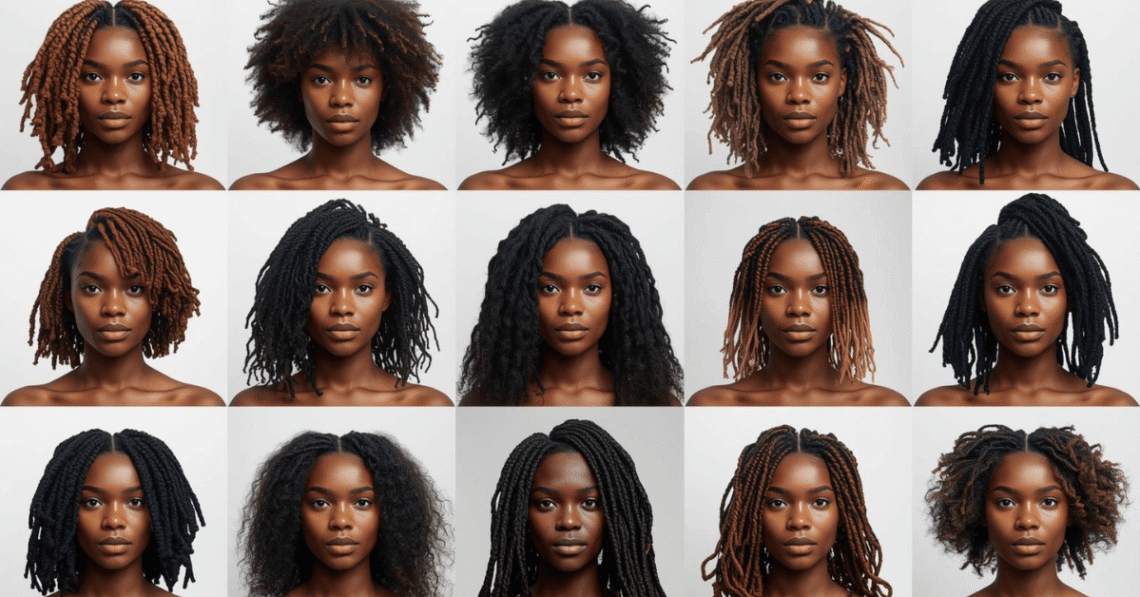
Locs aren’t just a hairstyle—they’re a lifestyle, a statement, and for many, a personal journey. If you’ve ever wondered about the different types of locs and how to choose the right one, you’re not alone. From low-maintenance styles to meticulously maintained looks, locs come in many forms, each with its own vibe and care routine.
In this guide, we’ll walk through the most popular types of locs, explain who they’re best for, and help you decide which style fits your hair goals.
What Are Locs?
Locs, sometimes called dreadlocks, are strands of hair that have been intentionally matted and locked together over time. While people often use “dreads” and “locs” interchangeably, many prefer the term locs because it reflects the cultural and historical significance of the style.
There are several ways locs can form, which is why there are so many variations today.
Starter Locs: Where Every Loc Journey Begins
Starter locs are the foundation of all loc styles. This is the early phase where hair is sectioned and encouraged to lock using techniques like twists, coils, or braids.
Common starter loc methods:
-
Two-strand twists
-
Comb coils
-
Braids or plaits
-
Interlocking
Starter locs may look frizzy or uneven at first, but that’s completely normal. With patience and care, they mature into fully formed locs.

Traditional Locs (Classic Locs)
Traditional locs are what most people picture when they think of locs. They’re medium-sized, uniform, and maintained with regular retwisting or palm rolling.
Why people love them:
-
Versatile styling options
-
Balanced thickness
-
Suitable for both men and women
This is one of the most popular different types of locs for women and men alike.
Freeform Locs: Natural and Unstructured
Freeform locs are created by letting the hair lock naturally with minimal manipulation. There’s no strict parting or consistent size, making each set unique.
Best for people who want:
-
A low-maintenance routine
-
A natural, organic look
-
Minimal salon visits
Freeform locs are especially popular among men, making them a standout option in different types of locs men often choose.

Semi-Freeform Locs
Semi-freeform locs fall somewhere between traditional and freeform styles. The hair may be sectioned initially, but after that, it’s allowed to lock more freely.
This style offers structure without being overly controlled, which appeals to many women seeking balance.
Sisterlocks and Microlocs
The Sisterlocks and microlocs are smaller, more intricate loc styles. Sisterlocks use a patented installation method, while microlocs can be started using various techniques.
Key differences:
-
Sisterlocks require certified consultants
-
Microlocs allow more flexibility
-
Both offer high styling versatility
These styles are especially popular among women and often top the list of different types of locs for females.
Interlocked Locs
Interlocked locs are created by pulling the ends of the hair through the root using a tool. This method is commonly used for maintenance and works well for active lifestyles.
Benefits include:
-
Longer-lasting retightening
-
Ideal for fine or soft hair
-
Less frequent maintenance
Crochet Locs
Crochet locs are formed using a crochet hook to instantly mat the hair. This method is often used with loc extensions or to speed up the locking process.
It’s a go-to choice for people who want immediate results without waiting months.
Types of Dreads vs Types of Locs
The terms types of dreads and types of dreadlocks are often used online, but the styles themselves are the same. The difference lies mostly in terminology and cultural preference.
Popular styles under both names include:
-
Freeform locs
-
Traditional locs
-
Microlocs
-
Crochet locs

Choosing the Right Type of Locs for You
Before committing, consider these factors:
-
Hair texture and density
-
Maintenance level
-
Lifestyle and activity level
-
Desired size and length
What works best for one person may not be ideal for another.
Read also <<< Budding Locs: What They Are and Why They Matter
FAQs About Different Types of Locs
What are the different types of locs?
The main types include starter locs, traditional locs, freeform locs, semi-freeform locs, sisterlocks, microlocs, interlocked locs, and crochet locs.
Which type of locs is best for beginners?
Starter locs using two-strand twists or comb coils are great for beginners.
Are some loc styles better for women?
Styles like microlocs, sisterlocks, and traditional locs are especially popular among women due to styling flexibility.
Do locs work for all hair types?
Yes, though some textures may lock faster than others. Technique and maintenance matter most.
What’s the lowest-maintenance loc style?
Freeform locs require the least manipulation and upkeep.
Conclusion: Finding Your Perfect Loc Style
With so many different types of locs available, there’s truly something for everyone. Whether you prefer the structure of traditional locs or the freedom of freeform styles, the right choice depends on your lifestyle, hair goals, and personal expression.
Take your time, do your research, and don’t be afraid to consult a loctician before starting. Your loc journey should feel authentic to you.