
If you’ve ever wondered about the difference between locs and dreads, you’re not alone. The terms are often used interchangeably, but they don’t actually mean the same thing—and that distinction matters more than many people realize.
In this guide, we’ll break down what locs and dreads are, where the terms come from, and why one is generally preferred today. By the end, you’ll clearly understand what’s the difference between dreads and locs, both culturally and practically.
What Are Locs?
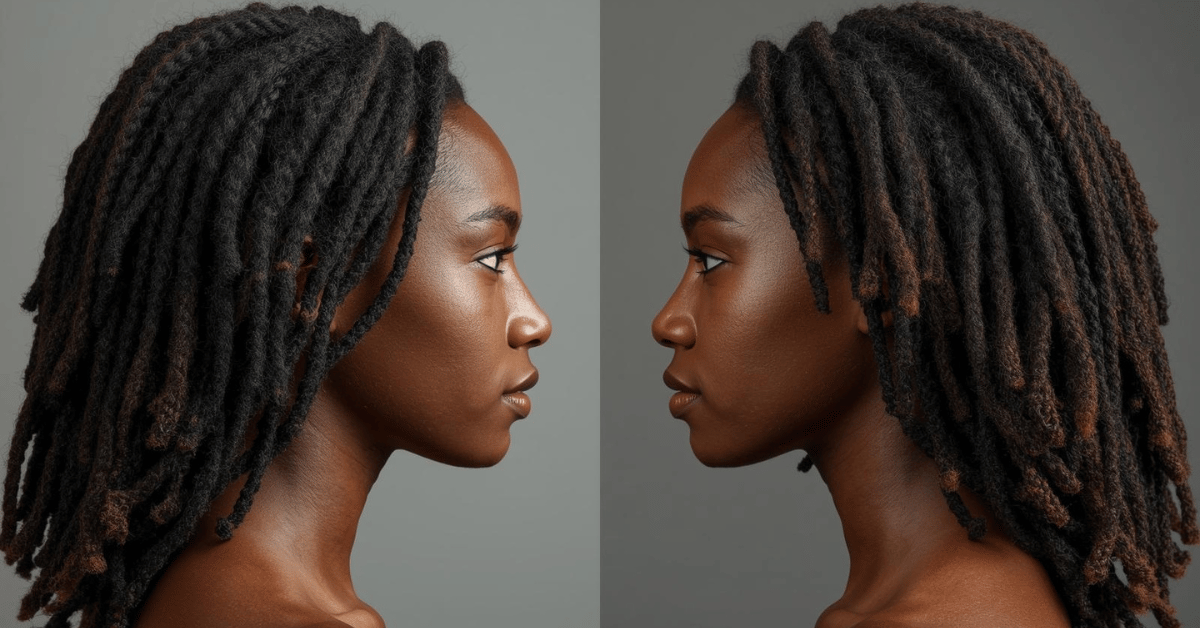
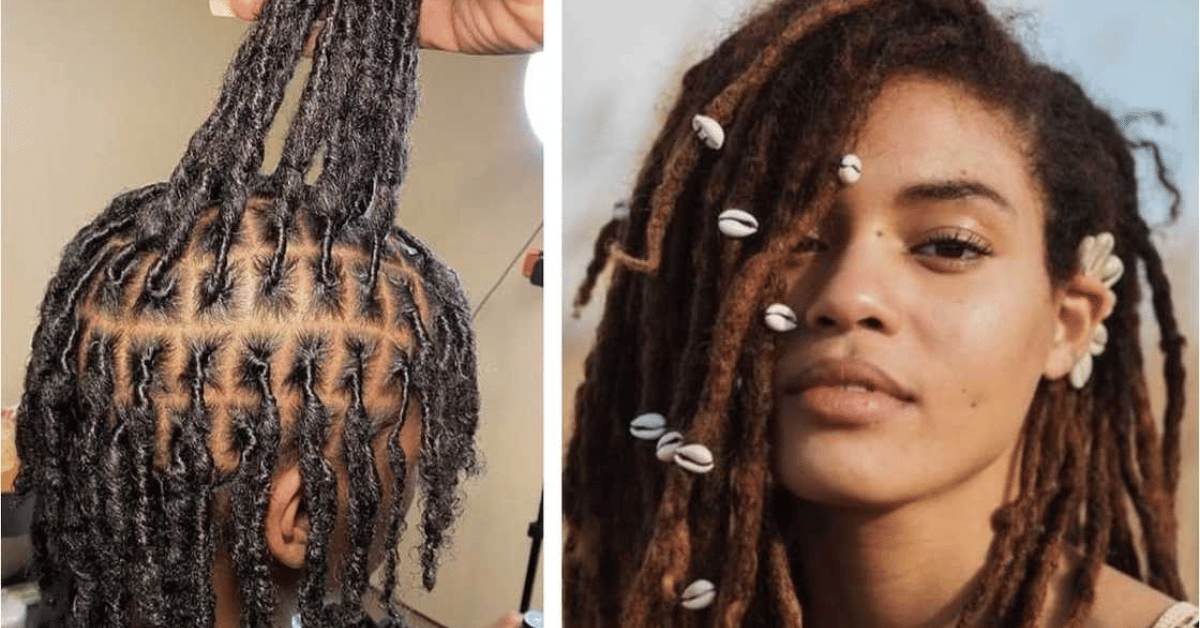
Locs, short for dreadlocks, are a natural hairstyle formed when hair mats and coils together over time. The term “locs” is widely used because it focuses on the locked nature of the hair rather than fear-based language.
Locs can be started intentionally using methods like twists, coils, or braids, or they can form naturally with minimal manipulation.
Key Characteristics of Locs:
-
Rooted in African and African diaspora cultures
-
Can be neat, uniform, or freeform
-
Require consistent but gentle maintenance
-
Viewed as a symbol of identity, spirituality, or self-expression
What Are Dreads?
The word dreads comes from the term dreadlocks, which originated during colonial times. European observers described the hairstyle as “dreadful” or scary, projecting fear and misunderstanding onto natural Black hair.
While some people still use the word casually, many consider it outdated or culturally insensitive.
Why the Term “Dreads” Is Controversial:
-
Linked to negative stereotypes
-
Rooted in colonial and racist perspectives
-
Does not reflect the cultural meaning of the hairstyle
This is why many people now prefer “locs” instead.
The Difference Between Locs and Dreads (At a Glance)
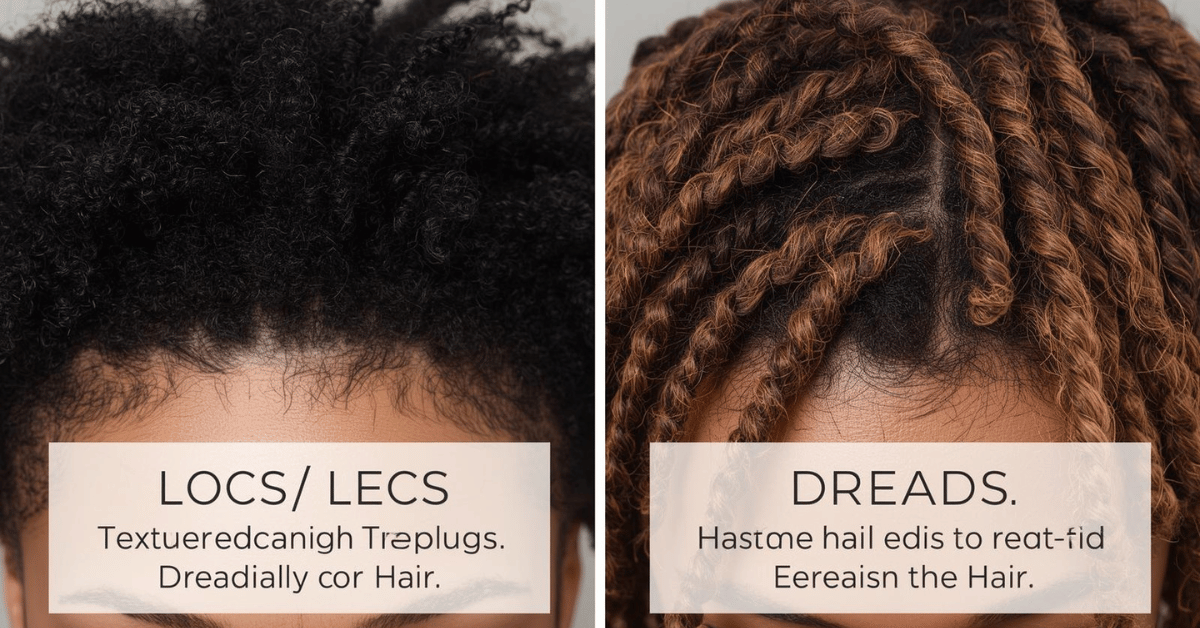
So, is there a difference between locs and dreads? Technically, the hairstyle can look the same—but the language and meaning are different.
Main Differences Explained:
-
Locs emphasize culture, intention, and respect
-
Dreads carry historical and negative connotations
-
Locs are the preferred modern and culturally aware term
In short, the difference is more about language and history than appearance.
What’s the Difference Between Dreads and Locs Culturally?
Understanding culture is key when asking what is the difference between locs and dreads.
Locs have been worn for thousands of years by various cultures, including:
-
Ancient Egyptians
-
Maasai warriors
-
Rastafarians
-
Indigenous African tribes
The term “dreads” ignores this history, while “locs” honors it.
Locs vs Dreads: Hair Care and Maintenance
From a care perspective, there’s no difference in how the hair grows or locks. Maintenance depends on the method used and personal preference, not the name.
Loc Maintenance Typically Includes:
-
Regular washing
-
Light oils for scalp health
-
Retwisting or palm rolling
-
Protective styling
The care remains the same regardless of what someone calls them.
Why Most People Say “Locs” Instead of “Dreads”
Language evolves, and hair terminology is no exception. Many people choose “locs” to be respectful and accurate.
Reasons “Locs” Is Preferred:
-
Culturally affirming
-
Free of negative history
-
Widely accepted in natural hair communities
-
Used by locticians and professionals
This shift reflects greater awareness and respect.
Common Myths About Locs and Dreads
Let’s clear up a few misunderstandings.
-
Myth: Locs are dirty
-
Truth: Clean hair locks best
-
-
Myth: Dreads and locs are different hairstyles
-
Truth: Same structure, different terminology
-
-
Myth: Only one culture wears locs
-
Truth: Many cultures historically wore locked hair
-
Read also <<< Free Forms Hair
FAQs About the Difference Between Locs and Dreads
What’s the difference between locs and dreads?
The difference is mainly cultural and linguistic. “Locs” is respectful and accurate, while “dreads” has negative origins.
Is it wrong to say dreads?
Some people still use it, but many prefer “locs” due to the historical context of the word “dreads.”
Are locs and dreadlocks the same?
Yes in hairstyle structure, but “locs” is the modern, preferred term.
Why do people get offended by the word dreads?
Because it stems from colonial fear and negative stereotypes about Black hair.
Can I correct someone who says dreads?
You can politely explain the difference and why “locs” is more respectful.
Conclusion: Understanding the Difference Matters
The difference between locs and dreads goes far beyond hair—it’s about history, language, and respect. While the hairstyle itself may look the same, the words we use carry meaning.
Choosing “locs” acknowledges cultural roots and moves away from outdated, harmful language. If you’re starting or already wearing locs, understanding this difference helps you wear them with pride and awareness.