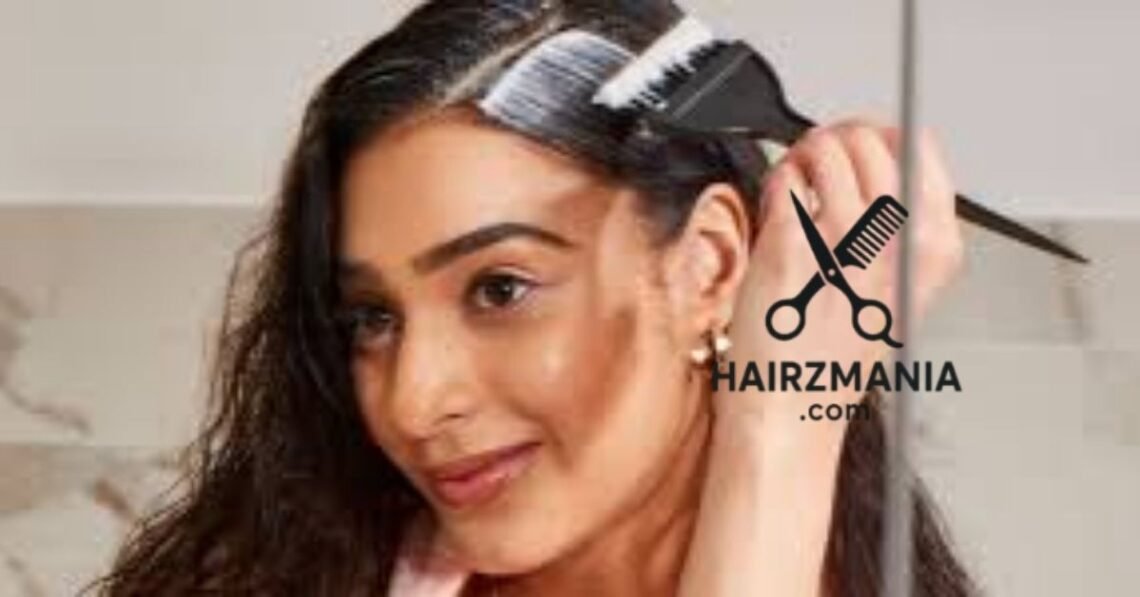
Can you dye wet hair is a question many people ask when they’re coloring their hair at home or wondering why certain salon techniques involve applying dye on damp strands. The short answer is yes — sometimes. But the real answer is far deeper, depending on your hair type, dye type, porosity, moisture level, and desired results. In this complete expert guide, we’ll break down the science, the pros and cons, the techniques professionals use, and the exact situations when dyeing wet hair works beautifully — and when it can go very wrong.
This article keeps things simple, human, and practical, while integrating all the essential primary, secondary, long-tail, LSI, and NLP-based keywords naturally. If you want a comprehensive understanding of wet vs dry hair dyeing, you’re in the right place.
What Happens When You Dye Wet Hair? (Quick Answer)
The quick answer is: yes, you can dye wet hair, but it’s not always recommended. Some dyes — especially semi-permanent, demi-permanent, gloss, and toners — work better on damp or towel-dried hair. These formulas are designed to deposit color rather than lift it.
However, permanent dyes, high-lift dyes, and bleach do not work properly on wet hair because water dilutes the developer, reduces lift, and increases unevenness. Wet hair also absorbs more inconsistently depending on porosity, which means the results may look patchy, lighter than expected, or fade faster.
If your goal is a soft blend, color melt, or subtle tone, wet hair dyeing can be helpful. If you want strong pigment, gray coverage, or lift, dry hair is the better choice.
The Science Behind Wet Hair Coloring
Understanding the science helps explain why wet hair responds differently to color. This section covers hair structure, pH, pigment penetration, and the impact of moisture on dye performance.
How Hair Structure Changes When Wet
Human hair is made of the cuticle, cortex, and sometimes the medulla. When hair becomes fully saturated with water:
- The cuticle layer lifts slightly
- The cortex swells, absorbing water
- The hair shaft becomes more vulnerable to breakage
- The surface becomes smoother, affecting dye “grip”
This expanded structure allows semi-permanent pigments (direct dyes) to settle more easily, creating a softer and more blended color. But with oxidative dyes, the cuticle must lift by chemical pH change, not water — which is why permanent dyes behave unpredictably on wet hair.
pH Levels Involved in Hair Dyeing
Here are the critical pH values involved:
| Product Type | Typical pH | Works on Wet Hair? |
| Natural Hair | ~4.5 | — |
| Acid-Based Products (pH 7 or lower) | ≤ 7 | Yes |
| Semi-Permanent Color | 6–7 | Yes |
| Demi-Permanent (Alkaline) | ~7–8 | Sometimes |
| Permanent Dye (High Alkaline) | >8 | No |
| Bleach/Lightener | High alkaline | No |
Why this matters: Water alone does not raise hair pH high enough to open the cuticle fully for oxidative dyes. This means:
- Permanent dye = poor performance on wet hair
- Semi-permanent dye = great performance
- Toners = best performance on damp hair
Wet hair simply doesn’t provide the right chemical environment for permanent color or lift.
How Moisture Dilutes Pigments
Moisture acts as a diluting agent, especially when hair is dripping, not towel-dried.
This impacts:
- Color strength (weaker results)
- Developer performance
- Color longevity
- Evenness
If your goal is a soft, subtle look, this effect can work in your favor. If you want a bold or dark outcome, dyeing wet hair works against you.
Can You Dye Wet Hair? What Professionals Want You to Know
Salon colorists often apply toner, gloss, or melting formulas on damp hair — but they rarely apply permanent dyes or bleach to wet strands. Here’s the professional breakdown.
When Wet Hair Coloring Works Well
Semi-Permanent Dye on Wet Hair
Semi-permanent dyes are deposit-only formulas. They sit on the surface of the cuticle, so damp hair actually helps pigments spread evenly. They also last only a few weeks, so subtle results are normal.
Demi-Permanent Dye on Wet Hair
Demi-permanent dyes last about 8 weeks and work reasonably well on damp hair. They use a low-volume developer (often 10 volume), which can still activate on towel-dried hair.
Toners and Glosses
Toners almost always work better on damp hair because:
- The cuticle is already slightly raised.
- Color spreads and blends beautifully.
- It avoids harsh lines and patchiness.
Color Melting & Wet Balayage
These artistic techniques rely on soft diffusion, which damp hair helps create.
When You Should Avoid Dyeing Wet Hair
Here are the cases where you should never apply dye to wet hair:
Permanent Dye
Permanent dye contains alkaline chemicals requiring dry hair for predictable lift and penetration.
High-Lift Tint
High-lift formulas are especially sensitive to dilution.
Bleach
Bleaching wet hair can lead to:
- Uneven lift
- Banding
- Extreme damage
- Breakage, especially in high porosity areas
Box Dye
Box dye is formulated for dry hair only with specific developer ratios. Adding water changes the chemistry entirely.
Damaged or Highly Porous Hair
Wet, porous hair absorbs unpredictably, making results patchy and blotchy.
How Hair Porosity Affects Wet Dye Results
Porosity determines how well your hair absorbs color — and wetness complicates that further.
- Low porosity: Water sits on the surface. Dye may struggle to penetrate.
- Normal porosity: Best candidate for wet hair coloring. Absorbs evenly.
- High porosity: Absorbs water AND dye too quickly. Leads to patchy, darker, or dull spots.
Porosity Test Tip: Slide your fingers along a strand. If it feels rough and catches, you likely have high porosity.
Pros and Cons of Dyeing Wet Hair
Understanding the advantages and drawbacks helps you decide whether to dye on wet or dry hair.
Benefits of Dyeing Wet Hair
- Better blending for balayage, toning, and color melt
- Softer results — ideal for pastel or subtle shades
- Uses less product, making it cost-effective
- Faster application, especially for long or thick hair
For many people, these benefits are exactly what they want.
Drawbacks of Dyeing Wet Hair
- Diluted pigment means lighter-than-expected results
- Uneven absorption, especially on porous or curly hair
- Patchiness from inconsistent saturation
- Shorter longevity, especially with semi-permanent dyes
- Developer weakened by water, impacting oxidative dyes
If you want vibrant, dark, or intense color, wet hair is not the right choice.
Wet vs Dry Hair Dyeing: Key Differences
This section helps you understand which method is best depending on your goals.
Color Absorption Differences
Wet hair introduces water molecules that compete with dye molecules. Dry hair allows pigments to penetrate more directly and evenly.
Result Intensity Differences
- Wet hair → soft, diffused, lighter, pastel-like
- Dry hair → strong, vibrant, true-to-box color
Application Technique Differences
Wet hair is easier to section, comb through, and blend. Dry hair requires more precise placement.
Which Method Lasts Longer?
Dry hair dyeing always lasts longer because the cuticle closes around pigment, sealing it more effectively.
Types of Hair Dye and Whether They Work on Wet Hair
Not all dyes behave the same on wet hair. Different formulas have different chemical structures, pigment types, and developer requirements. This section breaks down every major dye category so you know exactly what works — and what doesn’t.
Semi-Permanent Dye on Wet Hair
Semi-permanent dyes are the best match for wet hair. These dyes use direct pigments, meaning they sit on the surface of the cuticle rather than needing to penetrate deeply.
Why semi-permanent works on wet hair:
- No developer is needed
- Water helps spread pigment more evenly
- The results are intentionally soft and subtle
- Perfect for pastels, refreshes, or color revivals
If you’re applying a semi-permanent dye on wet hair, expect a sheer tint with a blended finish. These dyes typically last a few weeks, depending on your aftercare routine.
Demi-Permanent Dye on Wet Hair
Demi-permanent dyes use indirect pigments and usually a low-volume developer (often 10 volume). This means they require some lift in the cuticle, but not as much as permanent dye.
Demi-permanent on wet hair works when:
- Hair is towel-dried, not dripping
- You want a blended, tone-on-tone result
- You’re refreshing color, not drastically changing it
Demi-permanent dye typically lasts around 8 weeks, though wet application may reduce longevity slightly.
Permanent Dye on Wet Hair
Permanent dyes rely on:
- Ammonia or ammonia-free alkaline agents
- Developer strengths (10, 20, 30, or 40 volume)
- Oxidation reactions
- Precise pigment-to-developer ratios
When you apply permanent dye to wet hair, the water dilutes the chemical reaction, causing:
- Weaker lightening
- Unpredictable tones
- Patchiness
- Faster fade
- Poor gray coverage
This is why professionals never recommend dyeing wet hair with permanent color.
Temporary Hair Color on Wet Hair
Temporary color (like sprays, rinses, or mousses) works reasonably well on wet hair because it’s designed to coat the hair, not penetrate.
Ideal for:
- One-day color
- Adding tone
- Fun colors without commitment
However, wet hair can cause streaking or unevenness, so application must be thorough.
Bleach on Wet Hair — Is It Ever Safe?
The short answer? Usually no.
Bleach is designed to lift melanin, not deposit pigment. It needs the cuticle to open and stay open — something water interferes with.
Applying bleach to wet hair leads to:
- Uneven lift
- Excessive swelling and breakage
- Banding
- Serious structural damage
Only expert colorists might use “wet balayage bleach” to remove residual level, but this is advanced and not for home use.
Professional Techniques That Use Wet Hair
Some of the most beautiful professional color results rely on damp hair. These techniques aren’t just trends — they’re based on predictable color diffusion and controlled dilution.
Wet Balayage
A technique where stylists apply lightener or toner to damp hair to create:
- Soft transitions
- Pastel diffusion
- Gentle blending
Wet balayage isn’t meant to drastically lighten — it’s meant to refine, soften, or erase harsh lines.
Wet Toning
This is the most common wet-hair color service.
Why toners love wet hair:
- Cuticle is slightly lifted
- Toning is more even
- Harsh lines disappear
- Brassiness reduces smoothly
Perfect for correcting yellow, orange, or brassy tones after bleaching.
Wet Glossing
Gloss formulas add:
- Shine
- Smoothness
- Soft tone
On wet hair, gloss spreads effortlessly and eliminates dullness.
Color Melting on Damp Hair
Color melting blends root to mid-shaft to ends, creating seamless gradients. Damp hair helps merge pigments more naturally.
Root Shadowing on Wet Hair
For a soft, lived-in look, stylists apply root shadow to damp roots. The moisture helps feather the pigment into mid-lengths.
How to Dye Wet Hair Safely (Step-by-Step Guide)
Here is a simple, human-friendly, step-by-step process to dye wet hair safely using the dyes that DO work on damp hair.
Step 1 — Prepare Hair Correctly
- Shampoo if needed
- Do not condition — conditioner blocks pigment
- Gently squeeze water out
- Towel-dry until hair is damp, not dripping
Hair should feel about 70–80% dry.
Step 2 — Choose the Right Dye Type
Choose from:
- Semi-permanent
- Demi-permanent
- Toner
- Gloss
Avoid:
- Bleach
- Permanent dyes
- High-lift formulas
Step 3 — Sectioning Wet Hair
Even on wet hair, sectioning matters. Divide hair into:
- Four quadrants for long/thick hair
- Two sections for short hair
Sectioning helps prevent missed spots (a common wet-dye mistake).
Step 4 — Application Technique
Apply dye from roots to ends or ends to roots depending on formula.
Tips:
- Comb through gently
- Ensure even saturation
- Add extra product around hairline (water here dilutes dye fast)
Try to avoid overlapping sections too much.
Step 5 — Processing Time Adjustments
Wet hair may need:
- Slightly less time for toners
- Standard time for semi/demi
- More time only if your hair is very low porosity
Never exceed recommended timing.
Step 6 — Rinsing and Aftercare
- Use cool water to close the cuticle
- Apply a color-safe conditioner
- Avoid hot tools for 48 hours
- Use sulfate-free shampoo for color longevity
Avoid washing for at least 24–48 hours after coloring.
Mistakes to Avoid When Dyeing Wet Hair
Avoiding the most common mistakes ensures better and safer results.
Important mistakes to avoid include:
- Applying dye to soaking-wet hair
- Using high-volume developer with wet hair
- Applying permanent dye or bleach to wet strands
- Dyeing freshly washed hair incorrectly
- Applying dye unevenly or without sectioning
- Ignoring porosity or previous color history
Even professionals struggle with even application on overly wet hair, so aim for controlled dampness.
How Wet Should Hair Be for Dyeing?
The exact moisture level determines whether wet dyeing works or fails.
Damp Hair
This is ideal. Hair should feel:
- Cool
- Slightly heavy
- Moist but not dripping
Dripping Wet Hair
Avoid completely. It causes:
- Diluted dye
- Water runoff removing pigments
- Splotchy tones
Ideal Moisture Level
Think: T-shirt dry or 70% dry.
Hair that’s too wet doesn’t absorb enough pigment. Hair that’s too dry doesn’t blend well.
Results You Can Expect When Dyeing Wet Hair
Depending on your hair type and dye choice, here’s what to expect.
Will the Color Be Lighter or Darker?
Wet hair almost always produces:
- Lighter,
- Softer,
- More diffused,
- Pastel-like results.
This is because pigment becomes diluted.
How Long Will the Color Last?
Expect:
- Semi-permanent: 1–3 weeks
- Demi-permanent: 6–8 weeks
- Toner: 4–6 weeks
- Gloss: 2–4 weeks
Wet application may shave a few days off the longevity.
Will the Color Fade Faster?
Yes — wet hair creates faster fade because pigments sit closer to the surface.
Wet Hair Dye Before & After Expectations
Before: Hair appears swollen and smooth.
After: Color is:
- Soft
- Blended
- Sheer
- Less intense
Great for natural looks, not bold fashion shades.
Best Hair Types for Wet Dyeing
Some hair types respond beautifully to wet dyeing, while others don’t.
Straight Hair
Even saturation; predictable results.
Curly Hair
Can become patchy because of porosity differences.
Coarse or Thick Hair
Benefits from wet application — easier spread and softer finish.
Fine Hair
High risk of over-absorption and patchiness. Proceed cautiously.
Should You Dye Wet Hair at Home or Salon?
Why Salons Use Wet Techniques
Professionals use damp application to:
- Blend harsh lines
- Tone evenly
- Melt colors
When You Should DIY
Safe choices for home use:
- Semi-permanent dye
- Gloss
- Toner
When You Should Avoid DIY
Skip wet dyeing at home if:
- Your hair is porous
- You’re using permanent dye
- You’re trying to lift color
- You want gray coverage
Below is PART 3, the final section of your full 2,500–3,000-word SEO-optimized article. This completes the guide with aftercare, myths, ingredient reactions, patchy color prevention, FAQs, and the final verdict — all written naturally, human-like, and fully optimized.
Aftercare for Hair Dyed While Wet
Aftercare plays a huge role in how long your wet-applied hair dye lasts. Because pigment tends to sit closer to the surface when hair is dyed damp, your routine needs to protect that fragile color.
First 48 Hours
For the first two days, avoid:
- Hot showers
- Swimming
- Heat styling tools
- Heavy styling products
These can push pigment out faster.
Use Color-Safe Shampoos
A sulfate-free shampoo protects color molecules and prevents premature fading. Look for shampoos labeled:
- Color-safe
- Low pH
- Sulfate-free
- For chemically treated hair
A low pH helps keep the cuticle closed around the pigment.
Conditioner Always Helps
Use a hydrating, lightweight conditioner to help seal the cuticle and retain shine. Since wet-dyed hair can fade faster, a conditioner with color-depositing pigments can restore tone weekly.
Avoiding Heat Tools
Heat opens the cuticle, releasing pigment. If you must use heat, apply a heat protectant and keep temperatures low.
How to Extend Color Life
A few simple habits will make your color last longer:
- Wash your hair less frequently
- Use cool water instead of hot
- Add a weekly gloss or conditioner refresh
- Avoid clarifying shampoos
- Limit sun exposure, which breaks down pigments
These steps keep the results vibrant, even with the softer finish that wet dyeing creates.
Wet Hair Dyeing Myths vs Facts
Many misconceptions exist about dyeing wet hair. Let’s clear up the most common ones.
Myth 1: Dyeing wet hair always damages it more.
Fact: Wet hair is more delicate, but semi-permanent dyes and toners are gentle. Most damage comes from improper products, not the wet application itself.
Myth 2: Wet hair dyeing gives the same results as dry hair dyeing.
Fact: Wet application leads to lighter, softer, more subtle results. Dry hair gives stronger, more vibrant color.
Myth 3: You can use bleach on wet hair to lift more evenly.
Fact: Bleach becomes unpredictable, weaker, and more damaging on wet hair. Professionals rarely perform this outside advanced correction techniques.
Myth 4: Permanent dye is fine on wet hair if you leave it longer.
Fact: Water disrupts oxidation. Extra processing time won’t fix dilution or uneven lift.
Myth 5: Wet hair absorbs more color.
Fact: It absorbs water first, which competes with dye and weakens saturation — except for direct pigments in semi-permanent color.
Hair Dye Ingredients That React Poorly with Water
Certain ingredients do not tolerate water well, making them unsafe for wet hair application.
Hydrogen Peroxide (Developer)
Water dilutes peroxide and slows oxidation. This means:
- Poor coverage
- Uneven lift
- Patchiness
Especially true for 10, 20, or 30 volume developers.
Ammonia
Ammonia needs a precise chemical environment. On wet hair, it becomes inconsistent, leading to:
- Harsh undertones
- Hot roots
- Blotchy or brassy results
High Alkaline Agents
Permanent dyes need alkaline environments. Water weakens their effectiveness drastically.
Bleaching Agents
These become unstable when water is present. Wet hair + bleach = serious risks.
By contrast, direct dyes (semi-permanent) aren’t affected by water and often blend even better when hair is damp.
Patchy Color Prevention Techniques for Wet Hair
Patchiness is the most common problem when dyeing wet hair. Here’s how to avoid it.
1. Control Moisture Level
Ensure hair is damp, not dripping. Uneven wetness = uneven color.
2. Section Hair Properly
Even for short hair, divide into smaller sections to guarantee coverage.
3. Apply Extra Product at Porous Areas
The ends, hairline, and crown absorb differently and need more pigment.
4. Comb Through Gently
Use a wide-tooth comb to distribute dye evenly.
5. Maintain Even Pressure
Apply consistent pressure and distribution when smoothing dye through the hair.
6. Avoid Overlapping
Overlapping sections with different moisture levels creates color inconsistencies.
7. Work Quickly
Wet hair dries fast. Apply dye efficiently to avoid mismatched dryness.
Signs Wet Hair Dyeing Isn’t Right for You
Wet hair dyeing isn’t a universal method. Here are signs that you should stick to dry application.
Your hair is very porous
This type of hair absorbs water and dye unevenly, leading to blotchiness.
You want vivid or bold color
Wet hair mutes intensity.
You need full gray coverage
Gray hair requires stronger oxidation that only works on dry hair.
You’re using permanent dye
Permanent dye and water don’t mix well chemically.
You want long-lasting results
Dry application always lasts longer.
Understanding Direct vs Indirect Pigments in Wet Hair Coloring
The difference between direct and indirect pigments determines whether wet dyeing works.
Direct Pigments (Semi-Permanent Color)
- Sit on the surface of the hair
- Don’t require a developer
- Blend easily
- Ideal for wet application
- Provide soft, pastel, or tinted results
Indirect Pigments (Demi/Permanent Color)
- Need a developer
- Require chemical oxidation
- Need dry hair for predictable reaction
- Perform poorly on wet hair
This is why semi-permanent dyes are universally recommended for wet hair.
How Wetness Impacts Oxidation and Processing Time
Water interferes with oxidation, which affects:
- Developer performance
- Pigment formation
- Lift levels
- Color tone
Because of this, processing time may vary depending on porosity and dye type.
Key Insight:
Wet hair doesn’t speed up processing time — it slows oxidation but improves blending.
How to Test Hair Porosity Before Dyeing Wet Hair
Porosity determines how hair absorbs pigments. A quick test helps you know whether wet dyeing is safe.
The Strand Test
Slide your fingers down a strand:
- Smooth = low porosity
- Slight texture = normal porosity
- Rough/snagging = high porosity
The Water Test
Place a clean strand of hair in a glass of water.
- Floats = low porosity
- Slowly sinks = normal
- Quickly sinks = high porosity
Wet dyeing works best with normal porosity.
Frequently Asked Questions (FAQs)
Can you dye wet hair without damage?
Yes, if you use semi-permanent, toner, or gloss. Avoid permanent dye or bleach.
Will hair dye stick to wet hair?
Semi-permanent dyes stick well; permanent dyes do not.
Can you dye oily wet hair?
It’s better to wash hair first. Oil can block pigment attachment.
Should you wash hair before dyeing?
For wet dyeing, yes — but skip conditioner.
Can you dye towel-dried hair?
Yes, towel-dried (70–80% dry) is ideal.
Can you use box dye on wet hair?
No. Box dye is designed specifically for dry hair.
Does wet hair absorb dye better?
Only direct pigments absorb consistently. Oxidative dyes struggle on wet hair.
Final Verdict: Should You Dye Wet Hair?
So, can you dye wet hair? Yes — but only in the right situations.
Wet hair dyeing is ideal when you want:
- Soft, blended, subtle color
- Toners and glosses
- Semi-permanent refresh
- Pastel or watercolor finishes
But you should avoid it if you want:
- Intense color
- Permanent dye results
- High lift
- Gray coverage
- Long-lasting pigment
Wet hair dyeing is a powerful technique when used correctly — especially for toning and blending. But understanding the science, porosity, pigment type, and moisture level is essential for beautiful, even results.