The low taper fringe has emerged as one of the most balanced and adaptable hairstyles in modern grooming. It blends structure with softness, offering a clean appearance without sacrificing personality. Unlike extreme fades or rigid cuts that dominate trends for short periods, the low taper fringe continues to grow in popularity because it works across generations, professions, and personal styles. This haircut feels intentional yet natural, making it suitable for anyone seeking a refined but effortless look.
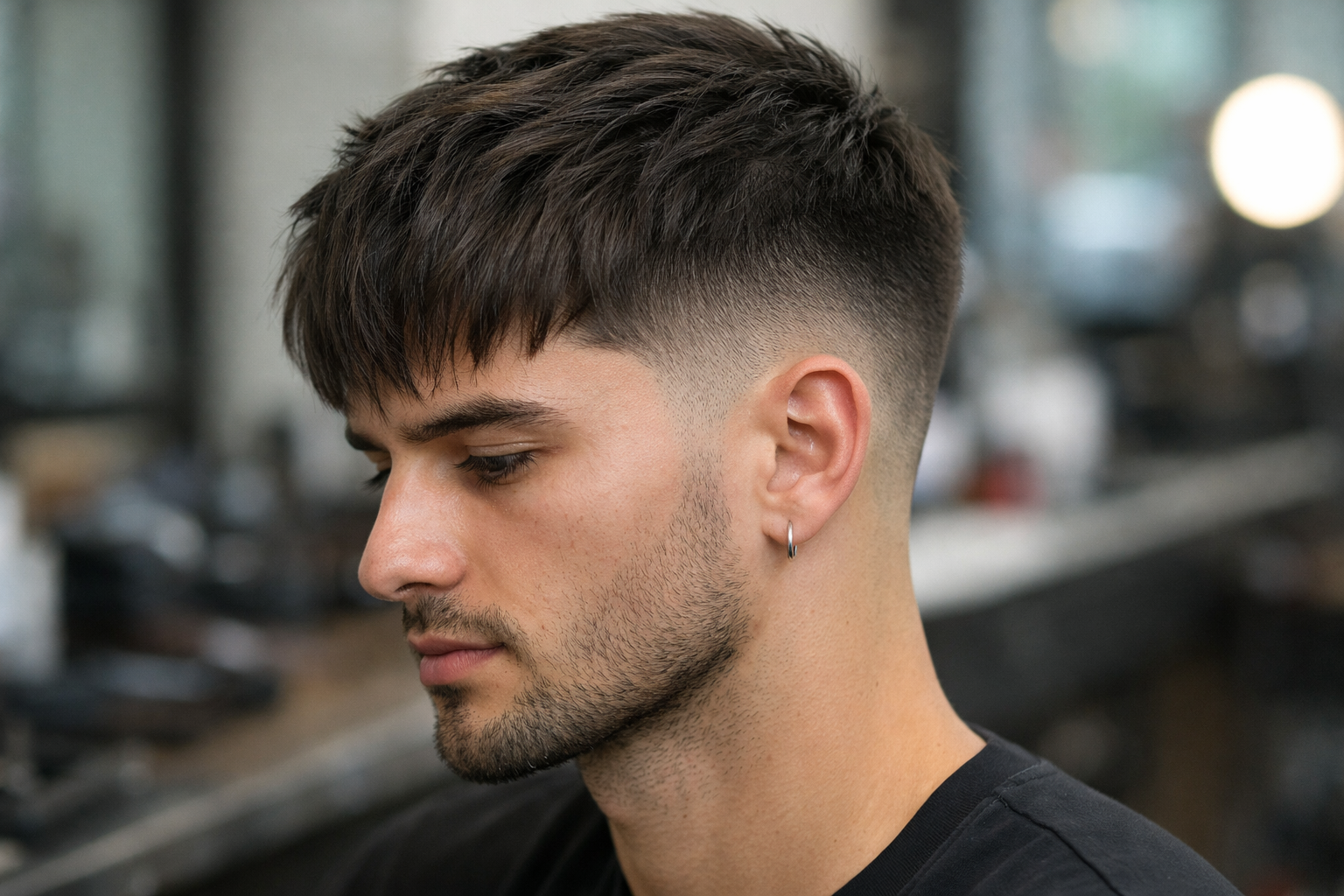
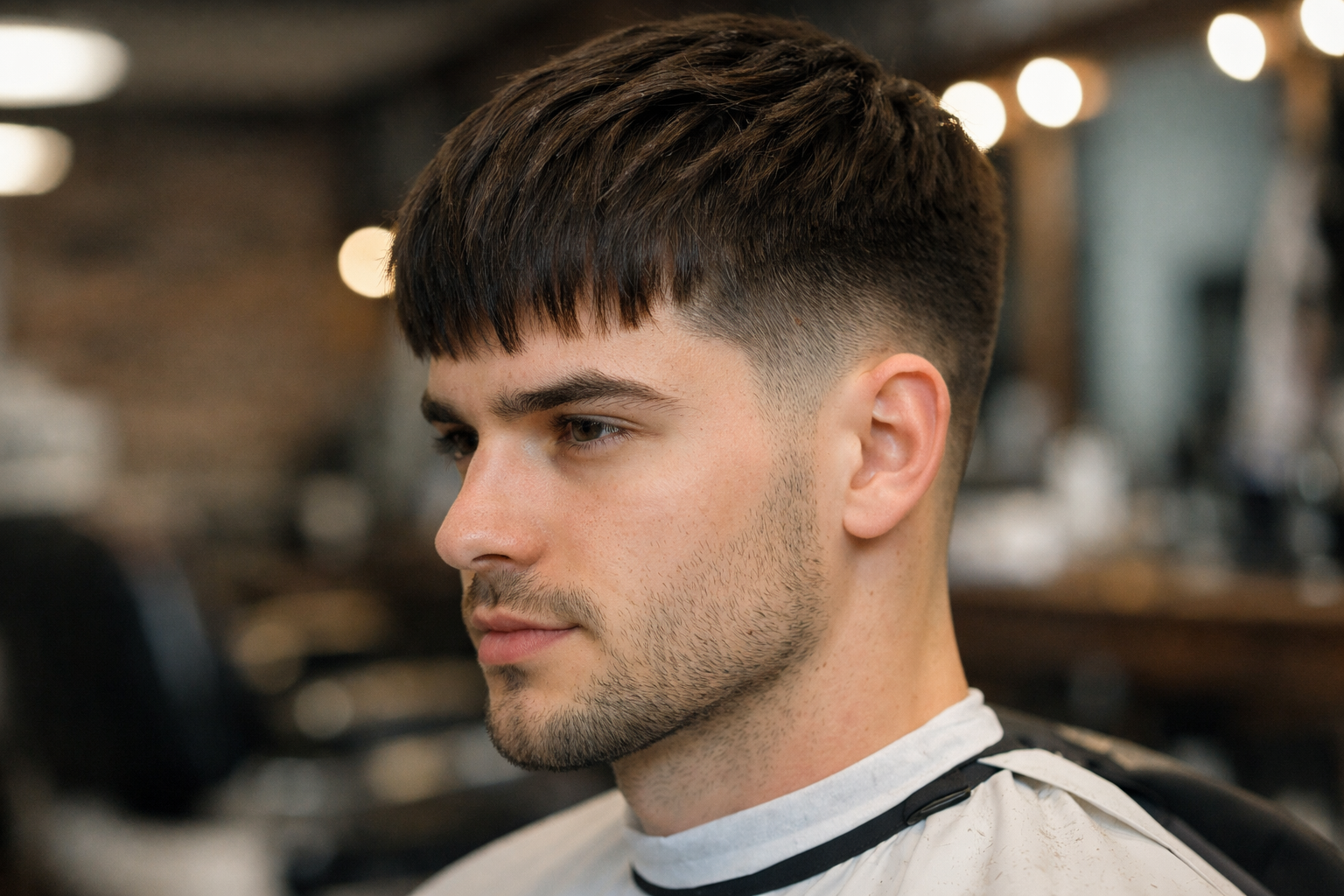
At its essence, the low taper fringe focuses on harmony. The sides and back are tapered subtly at a low point, maintaining fullness while ensuring neat edges. The fringe, resting at the front, frames the face and becomes the defining feature. Together, these elements create a hairstyle that looks polished in formal settings and relaxed in everyday life.
What Makes the Low Taper Fringe Distinct
The Meaning of a Low Taper
A low taper refers to the gradual shortening of hair around the sideburns and neckline, starting close to the natural hairline. Unlike high or mid fades that remove significant bulk, a low taper preserves the natural shape of the head. This approach results in a smooth transition rather than a dramatic contrast.
In a low taper fringe, this subtle tapering provides structure without drawing attention away from the top. The haircut feels clean but never harsh, which is why it appeals to people who prefer understated style over bold statements.
Understanding the Fringe Element
The fringe is the portion of hair styled forward over the forehead. In this haircut, it is carefully shaped to complement facial features. The fringe can be worn straight, textured, slightly layered, or softly angled, depending on hair type and personal preference.
What separates the low taper fringe from other fringe-based styles is its restraint. The fringe is expressive but controlled, adding character without overwhelming the face.
Why the Low Taper Fringe Continues to Gain Popularity
Adaptability Across Hair Textures
One of the strongest reasons for the popularity of the low taper fringe is its adaptability. Straight hair benefits from the clean outline and defined shape, while wavy hair adds natural movement and depth. Curly hair, when handled correctly, gains structure from the taper and freedom in the fringe, allowing curls to fall naturally without excessive bulk.
This adaptability makes the low taper fringe a reliable choice for individuals who have struggled to find a haircut that works with their natural hair rather than against it.
Suitable for Multiple Lifestyles
The low taper fringe transitions seamlessly between different environments. In professional settings, it appears neat and composed due to the controlled taper. In casual or creative spaces, the fringe adds a relaxed, modern edge.
This versatility is particularly appealing for people who want one hairstyle that suits workdays, social events, and everyday routines without constant restyling.
A Universally Flattering Structure
The fringe plays an important role in shaping the appearance of the face. It can soften strong jawlines, balance longer face shapes, or add structure to rounder features. Combined with the low taper, the haircut creates proportion and symmetry, enhancing natural facial features rather than masking them.
Barbers often recommend the low taper fringe because it can be customized subtly for each individual while maintaining its core aesthetic.
Variations of the Low Taper Fringe
Textured Low Taper Fringe
A textured low taper fringe emphasizes movement and separation in the hair. Light layering prevents the fringe from appearing flat and adds a sense of effortlessness. This variation suits medium to thick hair and creates a modern, relaxed look.
The textured approach is especially popular among those who prefer a natural appearance that does not rely heavily on styling products.
Clean Straight Low Taper Fringe
A straight fringe paired with a low taper offers a more structured and precise look. The fringe is cut evenly or with a gentle curve, giving the haircut a strong silhouette. This variation works particularly well with straight or slightly wavy hair.
It appeals to individuals who appreciate clean lines and minimal daily styling while still wanting a contemporary haircut.
Side-Swept Low Taper Fringe
The side-swept version introduces asymmetry and softness. The fringe is guided to one side, creating a more relaxed and mature appearance. This style works well for people with uneven hairlines or natural growth patterns that make straight fringes difficult to maintain.
The side-swept low taper fringe is often chosen by those seeking a subtle change without committing to dramatic length or volume.
Low Taper Fringe for Curly Hair
For curly hair, the low taper fringe offers a controlled yet expressive result. The taper manages volume around the sides and back, while the fringe allows curls to frame the face naturally. When cut with an understanding of curl patterns, this variation highlights texture rather than suppressing it.
This approach requires skill, but the result is a distinctive hairstyle that feels both modern and authentic.
Communicating the Low Taper Fringe to Your Barber
Setting Clear Expectations
Clear communication is essential when requesting a low taper fringe. It is important to specify that the taper should remain low and gradual, not transitioning into a high fade. This ensures the haircut maintains its subtle structure.
Discussing how you wear your hair daily helps your barber tailor the cut to your routine rather than delivering a generic version.
Defining the Fringe Length and Shape
Explaining how you want the fringe to sit makes a significant difference. Whether you prefer it resting just above the eyebrows or slightly longer, your barber needs to understand your comfort level. Mentioning whether you plan to style it or let it fall naturally helps guide the cutting process.
This attention to detail ensures the fringe enhances your features rather than becoming a distraction.
Styling the Low Taper Fringe for Everyday Wear
Keeping Styling Simple
The low taper fringe is designed to look good with minimal effort. A small amount of lightweight styling product is usually sufficient to define the fringe and add control. The goal is to enhance natural texture rather than create stiffness.
Using gentle heat to guide the fringe can help maintain shape, especially for straight or fine hair.
Choosing the Right Products
Matte creams and texture pastes work best for most hair types, as they maintain a natural finish. Heavy gels and high-shine products can weigh the fringe down and reduce movement.
For curly hair, moisturizing products that enhance curl definition are more effective than rigid styling agents.
Adjusting the Look for Different Settings
One of the strengths of the low taper fringe is its flexibility. It can be styled neatly for formal occasions or worn more loosely for casual days. This adaptability allows the haircut to remain relevant across different aspects of life.
Maintenance and Long-Term Appeal
Keeping the Shape Fresh
Regular trims are important to maintain the clean outline of a low taper fringe. Most people find that visiting the barber every few weeks keeps the taper sharp and the fringe at a comfortable length.
Neglecting maintenance can cause the taper to lose definition, which affects the overall balance of the haircut.
Growing Out Without Awkward Phases
If you decide to change hairstyles, the low taper fringe grows out gracefully. Because the taper is subtle, it does not create harsh lines as it lengthens. The fringe can gradually be blended into longer styles or styled differently during the transition.
This flexibility makes the haircut appealing to those who like to experiment without committing to drastic changes.
Who Benefits Most from a Low Taper Fringe
Face Shapes and Proportions
The low taper fringe suits a wide range of face shapes. Oval and square faces benefit from the balanced proportions, while heart-shaped faces gain softness from the fringe. For round faces, a slightly longer or textured fringe can add vertical emphasis.
The key is customization rather than rigid adherence to one version of the style.
Personal Style and Grooming Preferences
This haircut works well for individuals who value practicality alongside style. It fits seamlessly into classic wardrobes as well as modern, trend-driven looks. Whether your style is understated or expressive, the low taper fringe can be adapted to reflect it.
It is particularly appealing to those who want a fashionable haircut without extensive daily styling.
The Enduring Appeal of the Low Taper Fringe
The continued popularity of the low taper fringe reflects a broader movement toward balanced grooming. People increasingly seek hairstyles that feel natural, adaptable, and personal rather than extreme or overly styled. This haircut meets those expectations by combining clean structure with expressive freedom.
Its presence across different cultures and age groups highlights its universal appeal. Rather than following fleeting trends, the low taper fringe evolves subtly, maintaining relevance without losing its core identity.
Conclusion
The low taper fringe remains a standout choice in modern hairstyling because it offers versatility, balance, and timeless appeal. By combining a subtle taper with a thoughtfully shaped fringe, it delivers a look that is both polished and approachable. Its adaptability across hair types, face shapes, and lifestyles ensures it continues to meet the needs of a diverse audience.
For anyone seeking a haircut that feels contemporary without being restrictive, the low taper fringe provides a confident, enduring solution. With the right cut, minimal styling, and regular maintenance, it stands as a reliable expression of modern grooming at its best.