You’ve probably seen it online, joked about it with friends, or wondered how a haircut became a cultural reference. The karen hairstyle is more than just a look—it’s a pop culture phenomenon. But what exactly is it, and how did it go from a salon staple to a viral meme?
In this article, we’ll break down what is a Karen hairstyle, where it came from, why it became so recognizable, and how the style is evolving today. No judgment—just facts, context, and a little cultural insight.
What Is a Karen Hairstyle?
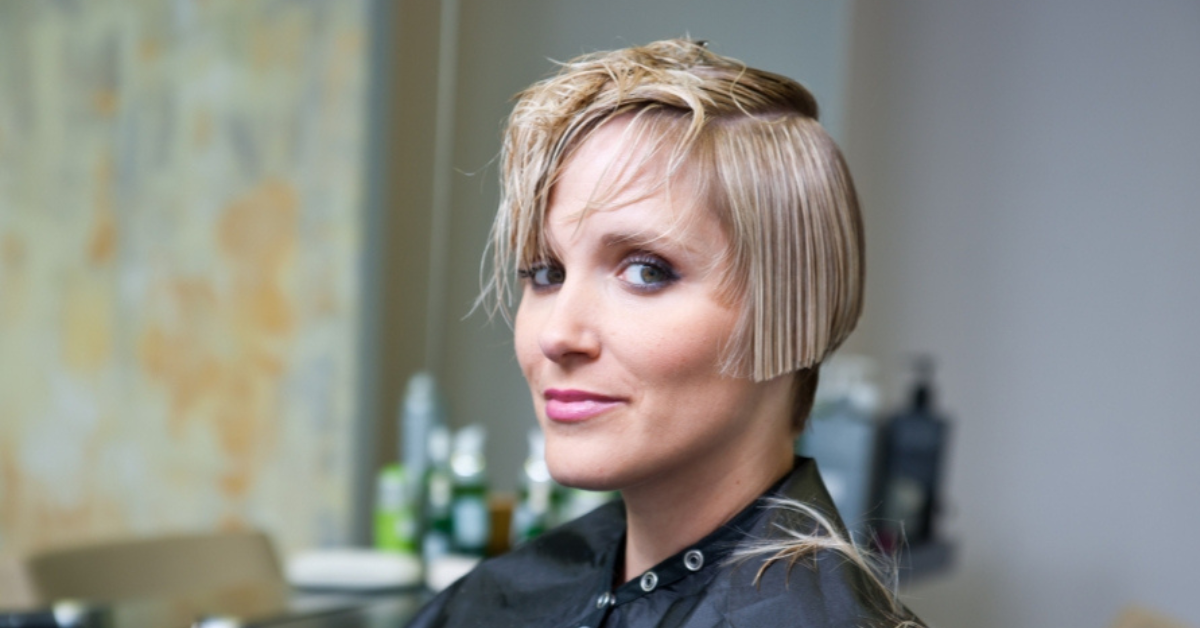
At its core, the Karen hairstyle typically refers to a short, angled haircut that’s longer in the front and stacked or layered in the back. It’s often paired with bold highlights and a sharply defined shape.
Common features include:
-
Short, layered back (often stacked)
-
Longer front pieces or side-swept bangs
-
Heavy contrast highlights (think blonde streaks)
-
A structured, high-maintenance finish
While the haircut itself isn’t inherently bad, it became associated with a stereotype through internet culture.
The Origins of the Karen Hairstyle
Before it was a meme, the Karen hairstyle was simply trendy. In the early 2000s, angled bobs and stacked cuts were extremely popular, especially among women looking for a polished, modern look.
The style gained traction because it:
-
Added volume to fine hair
-
Framed the face nicely
-
Felt bold and confident for its time
Hair icons and celebrities helped popularize variations of the cut long before the term “Karen” entered the conversation.
How the Karen Hairstyle Became a Meme
The Rise of the Karen Hairstyle Meme
The karen hairstyle meme emerged alongside viral videos and internet jokes depicting entitled or confrontational behavior. Over time, the haircut became a visual shorthand for the stereotype.
Important context:
-
The meme criticizes behavior, not haircuts
-
Not everyone with this hairstyle fits the stereotype
-
The association is cultural, not factual
Understanding this distinction is key to discussing the topic respectfully.
Is the Karen Hairstyle Still in Style?
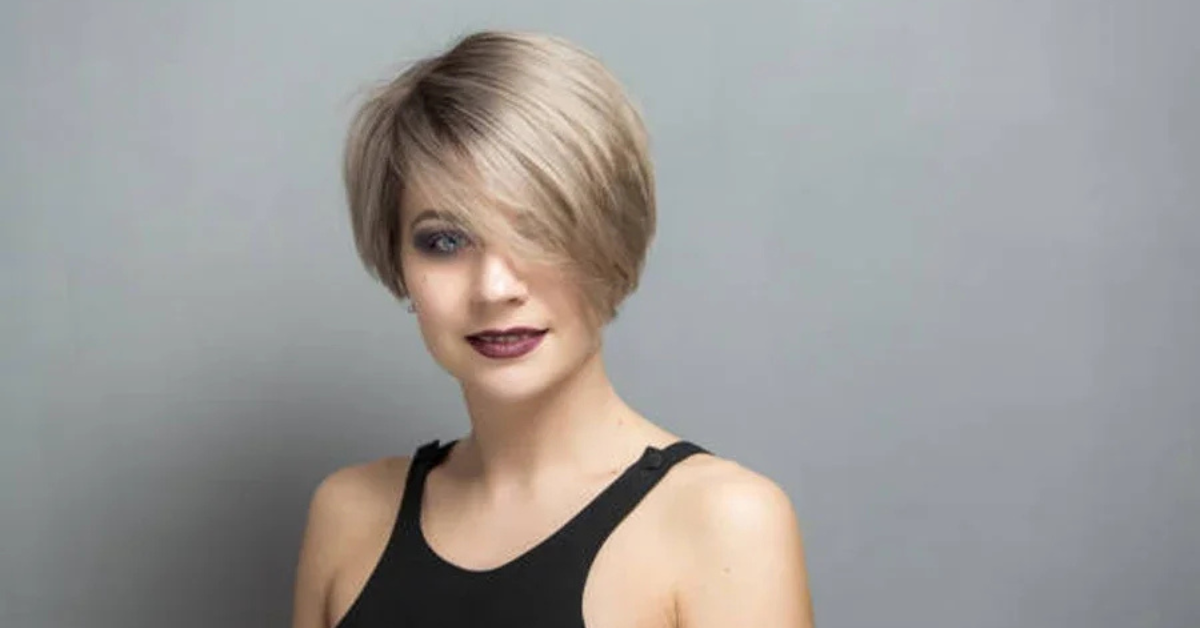
Surprisingly, yes—but with updates. Many modern hairstyles borrow elements from the classic Karen cut without the harsh lines or extreme contrast.
Modern Alternatives to the Karen Hairstyle
-
Soft layered bobs
-
Textured pixie-bobs
-
Blunt cuts with subtle angles
-
Natural, blended color instead of chunky highlights
Stylists today focus on movement and softness, which helps avoid the dated look often associated with the meme.
Who Typically Gets Labeled With the Karen Hairstyle?
The label is subjective and often unfair. The haircut alone doesn’t define someone’s personality or behavior.
That said, the stereotype usually includes:
-
Short, angular haircuts
-
High-contrast coloring
-
A very structured, “done” appearance
It’s worth noting that many people with this haircut wear it confidently and stylishly—without fitting any stereotype at all.
Should You Avoid the Karen Hairstyle?
Not necessarily. Hair is personal, and trends come and go. What matters most is whether a style suits your face shape, hair texture, and lifestyle.
If you like the structure but want a modern twist:
-
Ask for softer layers
-
Avoid extreme stacking
-
Choose natural, blended tones
-
Emphasize texture over sharp angles
A skilled stylist can tailor the look to feel current and flattering.
FAQs About the Karen Hairstyle
What is a Karen hairstyles exactly?
A Karen hairstyle is typically a short, angled bob with stacked layers in the back and longer front pieces, often paired with bold highlights.
Why is it called the Karen hairstyle?
The name comes from an internet meme that associated the haircut with a stereotype, not from the hairstyle’s original intent.
Is the Karen hairstyles offensive?
The term can be sensitive when used to stereotype individuals. It’s best discussed in cultural or educational contexts rather than as an insult.
Can the Karen hairstyles be modernized?
Absolutely. Softer layers, natural color blends, and textured finishes make the style feel fresh and contemporary.
Conclusion
The karen hairstyle is a perfect example of how fashion, culture, and the internet collide. What started as a popular haircut became a meme, then a broader conversation about stereotypes and style perception. The haircut itself isn’t the problem—it’s the context surrounding it.