Few hairstyles in history have made as much of a cultural impact as the one made popular by The Beatles. Known as the “mop top,” this haircut defined a generation, influenced fashion, and remains instantly recognizable decades later. From its roots in 1960s Britain to its modern-day adaptations, the mop top is more than a haircut—it’s a statement.
In this article, we’ll explore the history, styling tips, variations, and enduring legacy of the hairstyle made popular by The Beatles.
The History of the Beatles’ Hairstyle
The mop top emerged in the early 1960s, during the rise of Beatlemania. Before The Beatles, men’s hairstyles were typically short and conservative. The band’s signature look featured straight hair, long enough to cover the forehead, with bangs sweeping across the brow.
-
Origin: Inspired by the “Teddy Boy” style and personal experimentation by the band members.
-
First Appearance: The look became iconic after The Beatles’ appearances on television in 1963.
-
Cultural Impact: Teenagers worldwide adopted the style, challenging traditional male grooming norms.
The mop top wasn’t just a haircut—it was a visual rebellion and a symbol of youthful freedom.
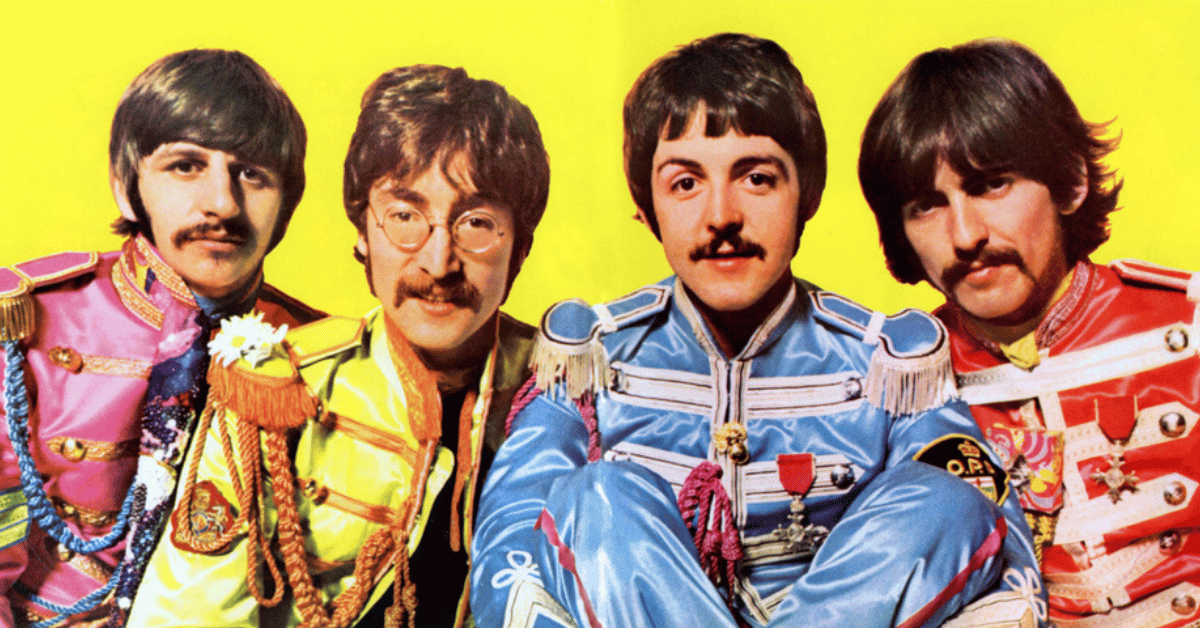
Characteristics of the Beatles’ Hairstyle
Understanding the key elements helps replicate the style today.
Key Features
-
Hair length: Medium, generally brushing the ears and neck
-
Bangs: Long and straight across the forehead
-
Texture: Smooth, slightly voluminous without heavy styling
-
Shape: Rounded silhouette around the head
This simple yet distinctive style made it versatile for casual wear and media appearances alike.
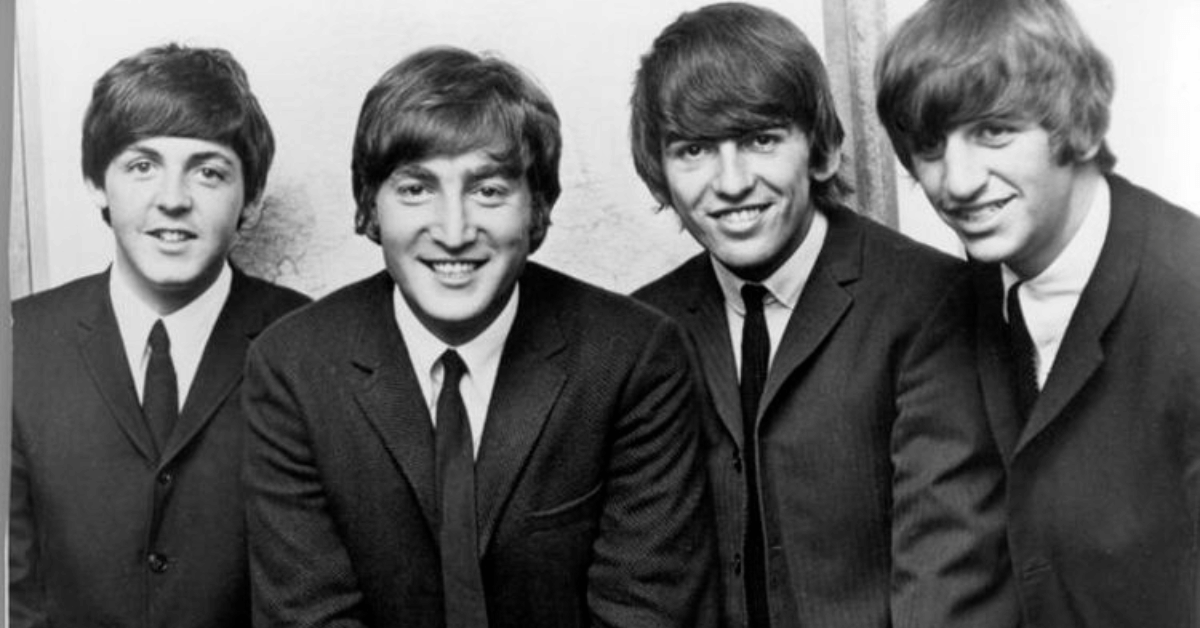
Styling the Beatles’ Mop Top Today
If you want to try a modern version of the hairstyle made popular by The Beatles, here are some tips:
-
Hair Preparation: Start with clean, slightly damp hair.
-
Cut Guidelines: Ask your barber for medium-length layers, keeping the hair longer in front to create bangs.
-
Styling Products: Use lightweight styling cream or mousse for volume and control. Avoid heavy gels.
-
Maintenance: Trim every 4–6 weeks to maintain the rounded shape and bangs.
Modern variations may include textured layers or a slightly messy finish for a more contemporary look.
Variations and Influences
While the classic mop top remains iconic, several variations have emerged:
-
Modern Mop Top: Slightly shorter sides with longer fringe
-
Textured Mop Top: Adds movement and volume
-
Beatle-Inspired Undercut: Keeps length on top but shorter sides
Celebrities and musicians continue to adapt the style, keeping the Beatles’ influence alive in fashion.
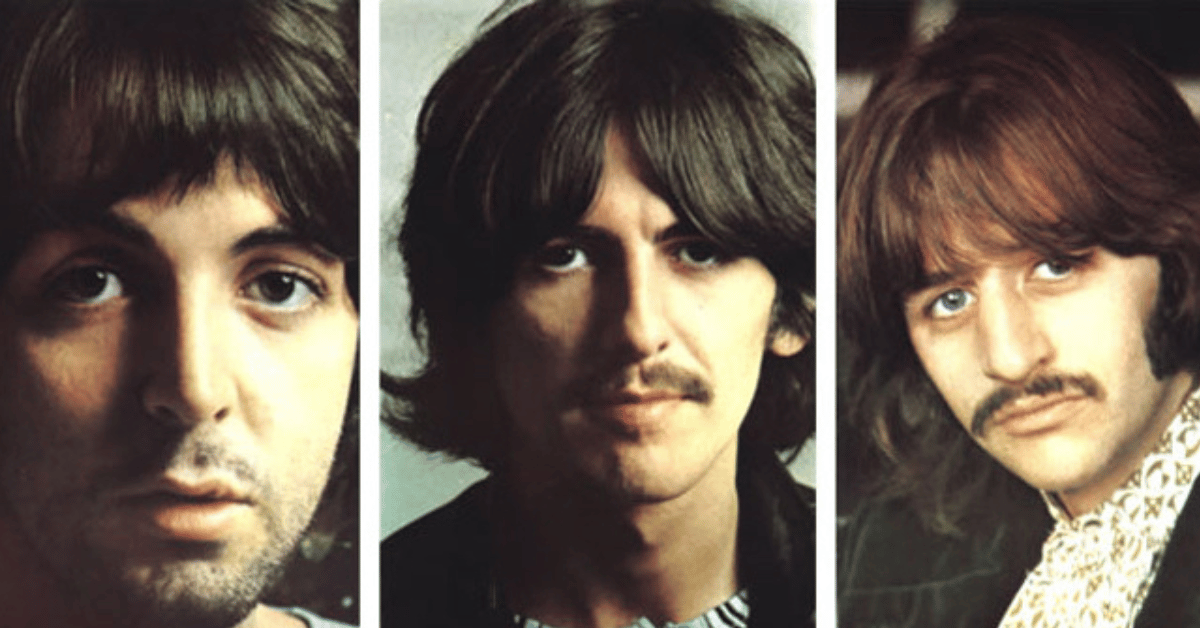
Why the Beatles’ Hairstyle Still Matters
Even decades after its debut, the mop top remains a symbol of:
-
Rebellion and Individuality: Breaking conventional norms
-
Timeless Style: Works with casual and semi-formal outfits
-
Pop Culture Influence: Recognized worldwide thanks to The Beatles’ legacy
It’s a haircut that transcends trends, proving that simplicity and personality go hand in hand.
FAQs About the Beatles’ Hairstyle
Q: Can anyone wear the Beatles’ hairstyle?
Yes! It works best with straight or slightly wavy hair, but can be adapted with modern texturing techniques.
Q: How long does it take to style daily?
With minimal product and a light blow-dry, styling takes about 5–10 minutes.
Q: Is the mop top suitable for formal occasions?
Absolutely. Pairing it with a neat outfit can make it versatile for both casual and formal settings.
Q: How do I maintain the rounded shape?
Regular trims every 4–6 weeks and occasional layer adjustments keep the silhouette intact.
Conclusion
The hairstyle made popular by The Beatles is more than a haircut—it’s a cultural icon. From its 1960s roots to its modern adaptations, the mop top embodies youthful rebellion, timeless style, and musical heritage. Whether you’re aiming for a retro look or a contemporary twist, this style continues to inspire generations.