If you’ve recently started your loc journey and noticed small bumps forming along your strands, don’t panic—you’re right on track. Budding locs are one of the most exciting signs that your hair is beginning to lock. This stage often raises questions because it looks and feels different from loose hair or starter locs.
In this guide, we’ll break down what budding locs are, when they appear, what they look like, and how to care for them so your locs can thrive.
What Is Budding Locs?
So, what is budding locs, exactly? Budding locs are small, puffy knots that form along the length of your locs as the hair starts to mat and tangle internally. This is a natural part of the locking process and usually signals that your hair is moving from the starter phase into early maturity.
Think of budding as your hair “figuring itself out.” It’s messy, uneven, and completely normal.
The Budding Locs Stage Explained
The budding locs stage sits between starter locs and mature locs. During this phase, the hair inside each loc begins to intertwine and compact, even if the outside still looks frizzy.
Common signs of the budding stage include:
-
Small hard or spongy bumps along the loc
-
Uneven thickness from root to tip
-
Less unraveling compared to earlier stages
This stage requires patience, but it’s one of the most important steps in forming strong locs.
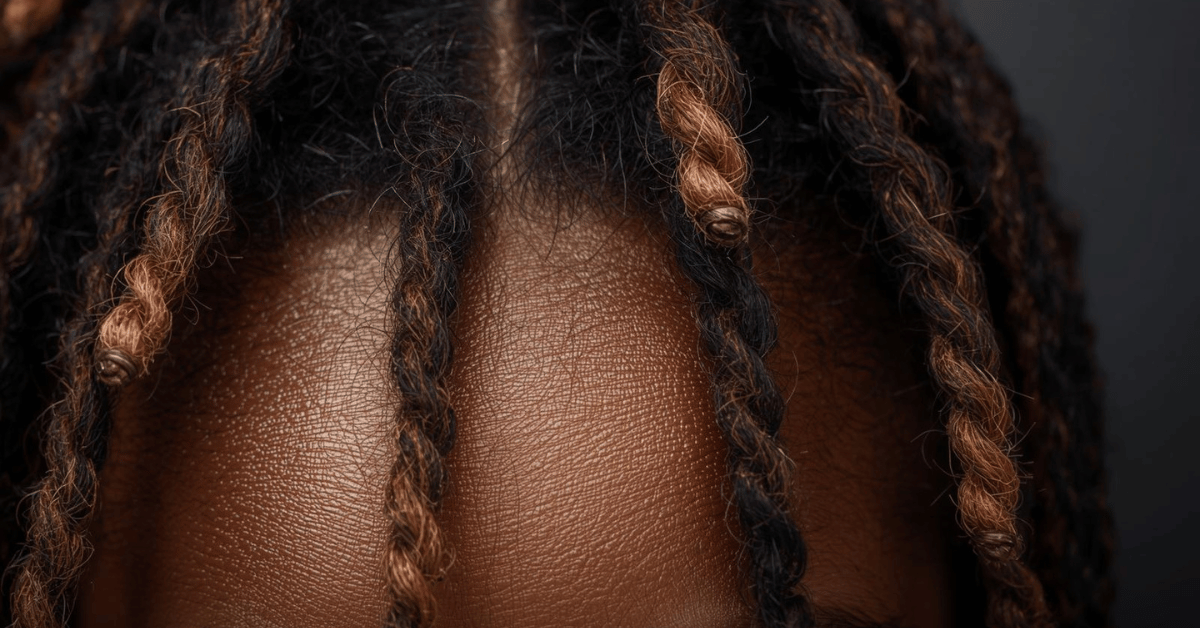
What Do Budding Locs Look Like?
Many people ask, what do budding locs look like? The answer: imperfect—and that’s a good thing.
Budding locs often look:
-
Lumpy or bumpy in certain spots
-
Slightly swollen in the middle
-
Different in size from one loc to another
If your locs don’t look uniform right now, you’re doing it right.
Budding Locs Timeline: Week by Week and Month by Month
Everyone’s hair locks at its own pace, but there are some general timeframes you can expect.
Budding Locs After a Week
It’s uncommon to see true budding loc after a week. At this point, what you’re noticing is usually swelling or product buildup—not actual budding.
Budding Locs After a Month
Around the 4–8 week mark, some people start noticing early buds. Budding loc after a month is more common for coarser textures or tightly coiled hair.
Short Budding Locs
With short budding loc, the bumps may feel more noticeable than they look. Shorter hair tends to bud faster, but it can also feel stiffer and more uneven early on.
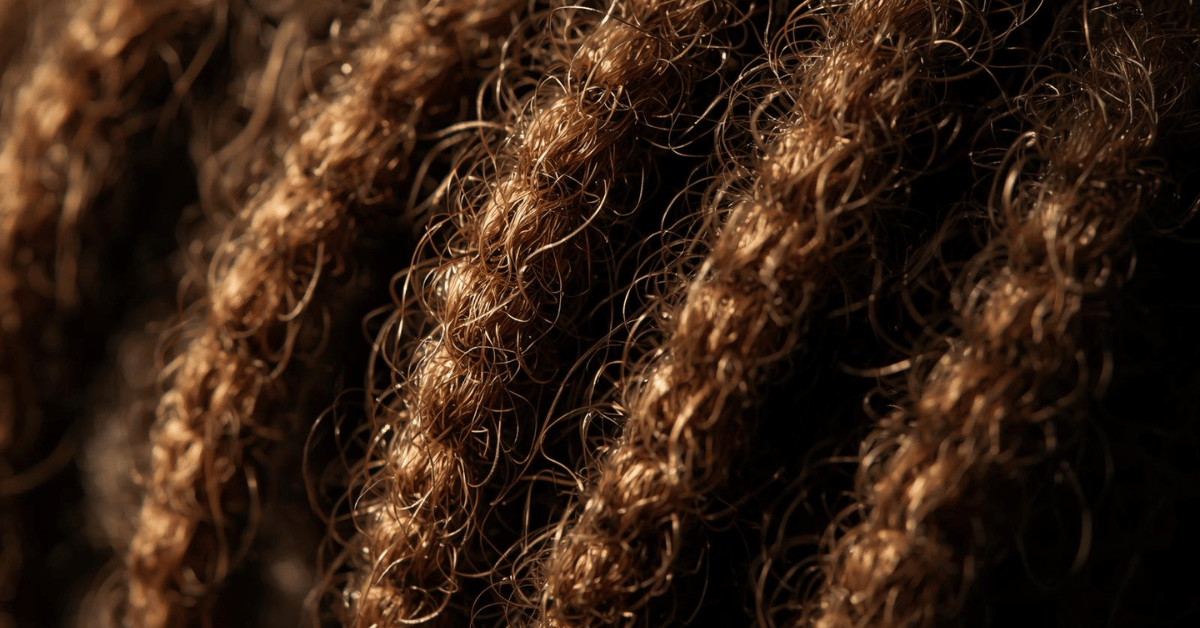
How Long Does the Budding Stage Last?
The budding stage typically lasts anywhere from 3 to 6 months, though it can extend longer depending on:
-
Hair texture
-
Maintenance routine
-
Retwist method
-
Product usage
Consistency matters more than speed during this phase.
How to Care for Budding Locs
Proper care helps budding loc mature without thinning or weakening.
Best practices during the budding stage:
-
Avoid over-retwisting (every 4–6 weeks is ideal)
-
Use light, residue-free products
-
Keep your scalp clean and moisturized
-
Wear a satin or silk bonnet at night
Less manipulation equals healthier locs.
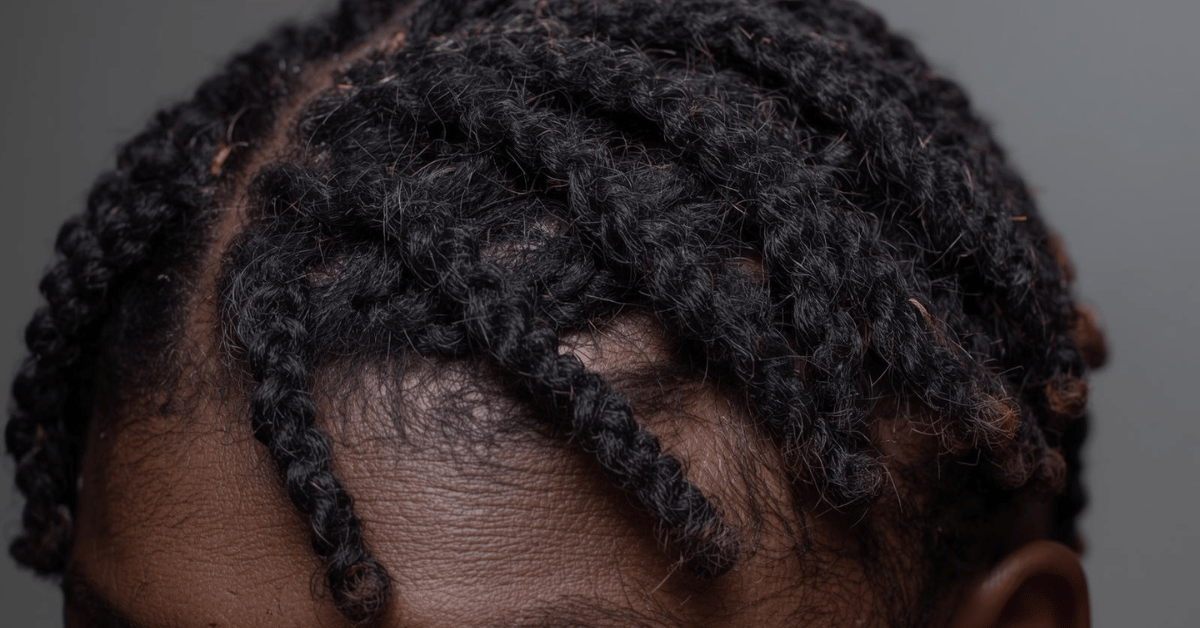
Common Mistakes to Avoid with Budding Locs
Many people unintentionally slow down their progress.
Avoid:
-
Constant twisting or palm rolling
-
Heavy waxes or creams
-
Comparing your loc journey to others
Your locs will bud when they’re ready—not on a schedule.
Read also <<< Shoulder Length Long Bob Haircut
FAQs About Budding Locs
Are budding loc a good sign?
Yes. Budding loc mean your hair is locking properly.
Do budding loc go away?
The buds don’t disappear—they tighten and become part of mature locs.
Why do my budding loc feel hard?
That hardness comes from hair compacting inside the loc, which is normal.
Can budding loc unravel?
Less than starter locs, but some unraveling near the roots can still happen.
Should I retwist budding loc often?
No. Over-retwisting can cause thinning and weak spots.
Conclusion: Embrace the Budding Locs Phase
The budding phase is where the magic starts. While budding locs may look uneven or feel strange at first, they’re proof that your locs are developing exactly as they should. With patience, gentle care, and trust in the process, this stage will lead to strong, healthy locs that last for years.
If you’re early in your loc journey, now’s the perfect time to learn, observe, and let your hair do its thing.