If you’ve ever seen dreadlocks that look completely natural, uneven, and full of personality, you were probably looking at free forms hair. This unique hairstyle isn’t about perfection—it’s about freedom, patience, and letting your hair do its own thing. In this guide, we’ll break down what free forms hair is, how it differs from traditional locs, and how to get free forms hair the right way.
Whether you’re curious about the style or thinking of starting your own journey, this article covers everything you need to know.
What Is Free Forms Hair?
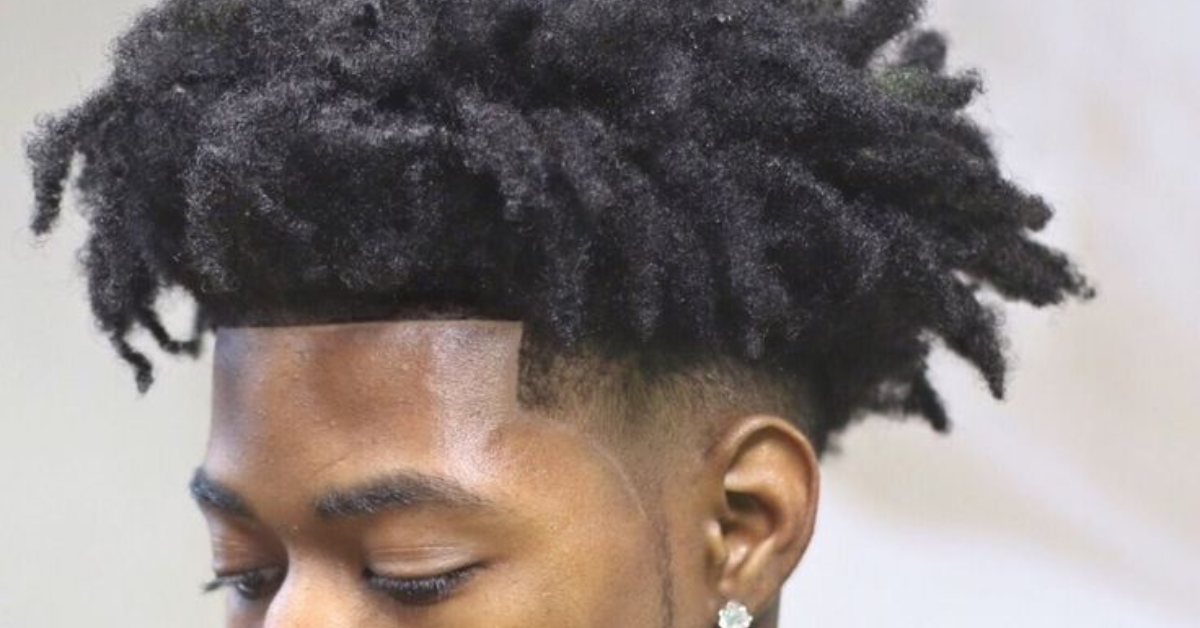
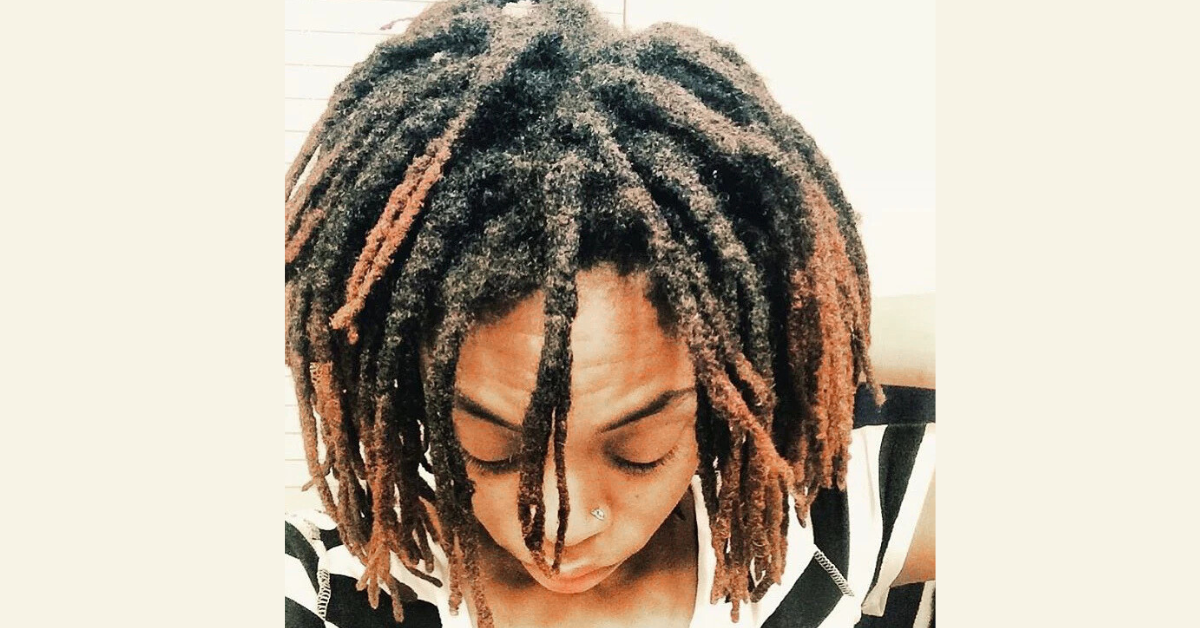
Free forms hair refers to dreadlocks that form naturally without manipulation, sectioning, or styling tools. Instead of twisting or parting the hair, you allow it to lock on its own over time.
Many people also call them free forms hair dreads, but technically, free forms are the most natural version of dreadlocks. The result is a raw, organic look that reflects your hair’s natural texture and growth pattern.
What Are Free Forms Hair Known For?
-
No precise parts or uniform size
-
A natural, wild appearance
-
Minimal maintenance
-
Strong cultural and personal expression
Free Forms Hair Style vs Traditional Locs
While both are dreadlocks, the process and appearance are very different.
Free Forms Hairs Style
-
Hair locks naturally with little interference
-
Each loc forms differently
-
Emphasizes individuality
-
Lower maintenance over time
Traditional Locs
-
Hair is sectioned and twisted
-
Uniform size and shape
-
Requires regular retwisting
-
More structured appearance
If you prefer a clean, uniform look, traditional locs may be better. If you value freedom and authenticity, free forms hairs is the way to go.
How to Get Free Forms Hair Naturally
One of the biggest questions people ask is how to get free forms hairs without damaging their scalp or hairs.
Step-by-Step Guide
-
Start with natural hair
Free forms work best on textured or curly hair, but all hair types can form locs. -
Stop combing or brushing
Letting go of detangling allows the hair to knot naturally. -
Wash regularly—but gently
Clean hair locks better than dirty hair. Use residue-free shampoo. -
Be patient
Free forms can take several months to start locking and years to fully mature. -
Hands off
Avoid twisting, separating, or styling if you want true free forms.
How Long Does Free Forms Hair Take to Lock?
Free forms hairs develops in stages, and the timeline depends on hairs type and care.
-
0–3 months: Hair begins tangling and forming small knots
-
3–12 months: Early locs become visible
-
1–2 years: Locs mature and strengthen
-
2+ years: Fully mature free forms
Patience is key—free forms hairs is about the journey, not instant results.
Benefits of Free Forms Hair Dreads
People choose free forms hairs for more than just style.
Why Free Forms Hair Is So Popular
-
Low maintenance: Less salon time and fewer products
-
Healthy scalp: Minimal manipulation reduces breakage
-
Personal expression: No two heads look the same
-
Cultural significance: Deep roots in Black history and identity
Common Myths About Free Forms Hairs
Let’s clear up a few misunderstandings.
-
Myth: Free form hairs is dirty
Truth: Clean hairs locks better than dirty hairs. -
Myth: You can’t wash free forms
Truth: Washing is essential for healthy locs. -
Myth: Free forms hairs has no structure
Truth: The structure forms naturally over time.
Who Is Free Forms Hair Best For?
Free forms hairs is ideal if you:
-
Prefer a natural, hands-off style
-
Don’t want frequent salon visits
-
Appreciate unique, organic looks
-
Are patient and committed long-term
It’s less ideal if you need a very polished or uniform appearance for work or personal reasons.
Read also <<< Y2K Hairstyles
FAQs About Free Forms Hair
What is free forms hairs exactly?
Free forms hairs is a natural dreadlock style where hairs locks without twisting, parting, or manipulation.
What are free forms hairs made from?
They form naturally from your own hair through tangling and knotting over time.
How long does it take to get free forms hairs?
You’ll start seeing locks within a few months, but full maturity can take 1–2 years or longer.
Can you wash free forms hairs?
Yes, and you should. Clean hair helps locs form properly and keeps your scalp healthy.
Do free forms hairs dreads work on all hairs types?
They form fastest on textured or curly hair, but any hair type can free form with time and patience.
Conclusion: Is Free Forms Hair Right for You?
Free forms hair is more than a hairstyle—it’s a commitment to natural growth, individuality, and patience. If you’re looking for a low-maintenance style that reflects authenticity and personal expression, free forms hair dreads may be the perfect choice.
