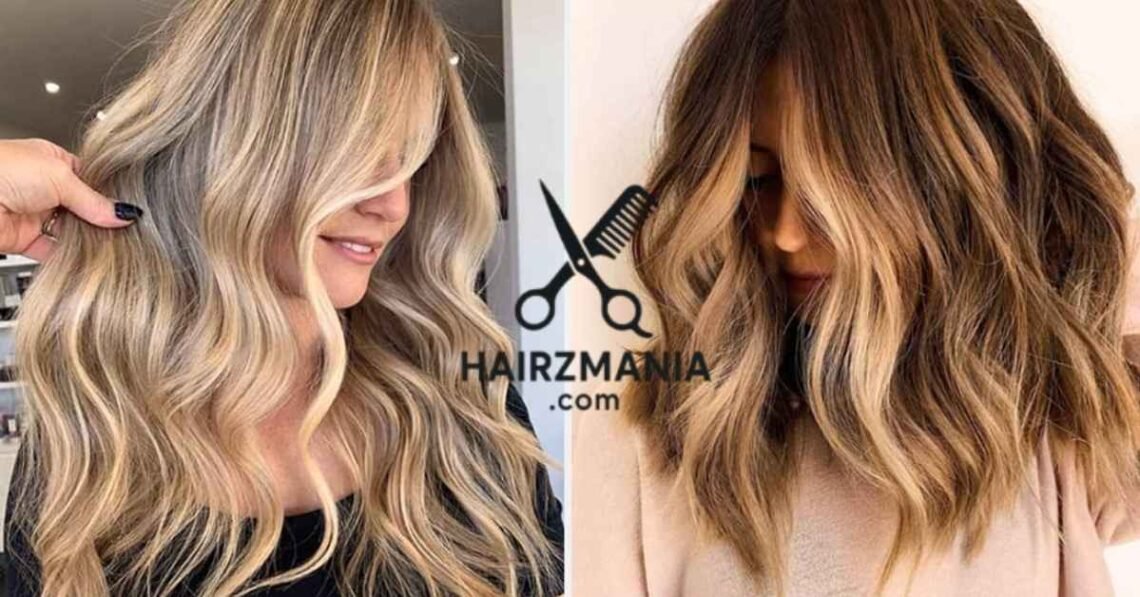
Lowlights hair has become one of the most requested color services worldwide because it offers something so many people want—dimension, depth, richness, and a more natural-looking finish without the harsh regrowth or frequent touch-ups that come with highlights. Whether your hair feels too bright, too flat, or simply lacks movement, lowlights offer a soft, sophisticated, and modern color solution that enhances your natural shade instead of overpowering it.
This comprehensive guide covers everything: the science behind lowlights, shade selection, techniques, skin tone matching, maintenance, trending looks, and expert-approved tips. By the end, you’ll know exactly how to choose the best lowlights for your hair type, undertone, and styling routine.
What Are Lowlights?
Lowlights involve coloring small or strategic sections of hair 1–3 levels darker than your base shade. Unlike highlights—which lift color—lowlights deposit pigment to create shadows, structure, and movement.
Simple Definition of Lowlights
Lowlights darken selected strands to add visual depth. This contrast creates a multi-dimensional and fuller look, especially useful for:
- Fine or thin hair
- Over-highlighted hair
- Hair lacking depth or richness
Hair colorists describe lowlights as “the shadow that makes the highlight pop.”
How Lowlights Differ From Highlights
| Factor | Highlights | Lowlights |
| Effect | Lighten sections | Darken sections |
| Result | Brightness, lift | Depth, dimension |
| Ideal For | Dull or dark hair | Over-lightened or flat hair |
| Grow-out | Can be visible | Very seamless |
| Technique | Bleach or high-lift | Deposit-only color |
Both can be combined to create a balanced, dimensional tone, often called a “lived-in color blend.”
Lowlights vs Babylights vs Balayage
- Babylights: ultra-fine highlights for soft brightness.
- Lowlights: darker strands for depth.
- Balayage: sweeping, hand-painted placement used for both highlights and lowlights.
Using all three together creates high-end salon results and a thick, dimensional finish.
The Science of Hair Pigment
Lowlights rely on depositing artificial pigment that blends with natural melanin. When done correctly, they:
- Enhance natural undertones
- Add contrast without harsh lines
- Create richer pigment density
This is why hair appears fuller, shinier, and healthier.
Benefits of Lowlights for Different Hair Types
Lowlights offer universal advantages across hair textures, colors, and styles.
Add Depth, Dimension & Richness
If hair looks monotone or flat, lowlights build levels of color—known as 3D color—that create natural shadowing.
Make Fine or Thin Hair Look Fuller
Darkening certain strands boosts visual density, making hair appear thicker.
Tone Down Overly Bright Hair
Over-highlighted hair often looks washed out. Lowlights restore:
- Warmth
- Balance
- Natural tone
Low-Maintenance & Grow-Out Friendly
Because lowlights work with your base color, they grow out softly, usually lasting 8–12 weeks.
Natural-Looking Finish
Unlike heavy highlights, lowlights mimic sun-created depth, giving hair a rich, multi-dimensional, soft-blended look.
Who Should Consider Lowlights?
Lowlights for Brunettes
Perfect for adding movement, breaking up solid dark tones, or cooling down warm brassiness with ash brown lowlights.
Lowlights for Blondes
Ideal for blondes who feel washed out or overly bright. Shades like mushroom brown, caramel, and soft beige rebuild natural depth.
Lowlights for Redheads
Copper, cinnamon, and mahogany lowlights enrich vibrancy while preserving red’s signature warmth.
Lowlights for Grey Hair Blending
Strategic lowlights soften grey contrast and create a salt-and-pepper dimensional blend.
Natural vs Colour-Treated Hair
Lowlights work beautifully on both but require tone-matching expertise for natural hair.
When NOT to Choose Lowlights
- Extremely damaged or over-processed hair
- When aiming for maximum brightness
- When your root color is very dark and mid-lengths are very light
- If hair is unevenly porous
Most Popular Lowlights Shades
Ash Brown Lowlights
Great for canceling brass and adding cool contrast.
Mushroom Brown Lowlights
A blend of grey, beige, and brown tones—perfect for modern, neutral finishes.
Caramel & Honey Lowlights
Warm and deliciously dimensional. Amazing for blondes seeking richness.
Chocolate Brown Lowlights
Deep, glossy, and luxurious. Adds expensive-looking depth.
Espresso & Dark Roast Lowlights
Bolder, deeper brown tones that create dramatic shadowing.
Smoky Brown Lowlights
Cool-toned for a high-fashion, editorial look.
Hazelnut & Soft Mocha Blends
Light-brown shades that subtly contour the hair.
Bold vs Subtle Lowlights
- Bold: 3+ levels darker; high contrast
- Subtle: 1–2 levels darker; natural and soft
Lowlights Techniques Used by Professional Stylists
Foil Lowlights
Creates precise placement—great for strong contrast.
Balayage Lowlights
Hand-painted for natural flow and blended results.
Free-Hand & Feathered Lowlights
Used for soft transitions and a sun-shadowed effect.
Combining Highlights + Lowlights
This builds ultimate dimension, prevents flatness, and gives a lived-in color finish.
How Many Shades Darker Should Lowlights Be?
Professional recommendation: 1–3 levels darker than your base shade.
Semi-Permanent / Demi-Permanent / Permanent
- Demi-permanent: most common—adds depth with minimal damage
- Semi-permanent: super subtle
- Permanent: for long-lasting, strong lowlights
Working With Pre-Lightened Ends
Feathering and shadowing are used to avoid harsh ends.
Choosing the Right Lowlights for Your Skin Tone
This is a crucial step competitors rarely explain.
Warm Undertone
Choose:
- Caramel
- Honey
- Chocolate
- Warm mocha
Cool Undertone
Choose:
- Ash brown
- Pearl
- Smoky
- Mushroom brown
Neutral Undertone
Choose:
- Beige
- Neutral taupe
- Soft brown
Matching Depth Levels
General rule: go 1–2 levels darker than your base shade for natural results.
Lowlights Based on Hair Length & Style
For Long Hair
Allows shading along layers, creating movement.
For Medium Hair
Perfect for lobs; adds contour around the face.
For Short Hair
Pixies and bobs gain amazing definition with darkened panels.
For Curly, Wavy & Coily Hair
Lowlights emphasize curl pattern and give curls a sculpted definition.
For Layered Shag Cuts
Shadow placement enhances texture.
Seasonal Lowlights Trends
Fall/Winter
Rich brunette tones: chocolate, espresso, and smoky brown.
Spring/Summer
Soft dimension: beige, honey, and sun-kissed mocha.
Two-Tone Lowlights
Trending: contrast blends like ash + mocha or chocolate + caramel.
The “Shadow Hair” Trend
Creates deeper roots and seamless mids/ends for a high-fashion finish.
DIY vs Professional Lowlights
Is It Safe To Do at Home?
Possible, but not recommended if your hair has:
- previous bleach
- uneven tones
- porous ends
What You Need
- Demi-permanent color
- Applicator brush
- Sectioning clips
- Gloves
- Developer (if needed)
Simple Step-by-Step
- Section hair.
- Select strands 1–2 levels darker.
- Apply gently and feather on mids and ends.
- Process 20–30 mins.
- Rinse with color-safe shampoo.
When to See a Professional
- Very blonde or platinum hair
- Curly or coily textures
- Correcting uneven color
Common DIY Mistakes
- Going too dark
- Coloring chunky sections
- Neglecting undertone
- Over-processing ends
Maintenance & Aftercare
Best Products
Use sulfate-free, color-safe shampoo and nourishing conditioners.
How Often to Refresh Lowlights
Usually every 6–10 weeks.
Preventing Fading
Avoid excessive heat, chlorine, and UV exposure.
Heat Styling Tips
Always use a heat protectant to maintain depth.
Maintaining Shine
Use gloss treatments or hydrating masks weekly.
Lowlights for Hair Problems & Corrections
Fixing Over-Bleached Hair
Lowlights restore natural tones and reduce stark brightness.
Correcting Uneven Tones
Strategically placed lowlights smooth transitions.
Blending Grown-Out Highlights
A shadow-root effect makes regrowth appear seamless.
For Flat or Lifeless Hair
Dimension creates movement and shape.
Real-Life Lowlights Inspirations
Before & After
Hair often looks:
- Fuller
- Healthier
- Richer
- More dimensional
Celebrity Lowlights Looks
Celebrities known for soft lowlights include:
- Hailey Bieber
- Selena Gomez
- Jennifer Lopez
Trending Instagram Styles
Hashtags like #lowlights, #brunettelowlights, #hairdimension show rising trends.
Lowlights for Mature Hair
Adds youthful softness and reduces harsh transitions.
Cost of Lowlights & What Influences Pricing
| Service Type | Cost Range |
| Partial Lowlights | $60–$120 |
| Full Lowlights | $100–$200 |
| Balayage Lowlights | $150–$300 |
| Gloss/Toner Add-On | $20–$40 |
Factors affecting price:
- Hair length
- Technique
- Salon reputation
- Colourist experience
- Location
Common Myths & Misconceptions About Lowlights
“Lowlights Damage Hair”
Demi-permanent color actually adds shine, not damage.
“Lowlights Are the Same as Highlights”
Opposites—one adds light; one adds depth.
“Lowlights Only Suit Brunettes”
False; blondes benefit tremendously.
“Lowlights Look Too Harsh”
Not when done 1–2 levels darker.
Lowlights Hair FAQs
Are lowlights damaging?
Generally no—most use gentle, deposit-only formulas.
How long do lowlights last?
Around 8–10 weeks, depending on hair porosity.
Can lowlights cover grey hair?
They blend grey but don’t fully cover it.
Are lowlights permanent?
Demi-permanent is most common; permanent options exist.
Can lowlights be mixed with highlights?
Yes—the best results often use both.
Do lowlights work on bleached hair?
Absolutely, but must be feathered carefully.
READ MORE >>> Does Developer Damage Hair? Safety, Risks & Best Usage Guide
Lowlights Hair Mistakes Professionals Warn Against
Choosing Shades Too Dark
This creates harsh patches and muddy tones.
Adding Too Many Lowlights
Moderation keeps hair natural-looking.
Ignoring Undertone
Leads to unexpected warmth or dullness.
Incorrect Face-Frame Placement
Placement should flatter your face shape.
Poor Blending
Harsh lines ruin the seamless finish.
Final Thoughts: Are Lowlights Right for You?
Lowlights offer a beautiful way to add dimension, depth, richness, and movement to any hair color. Whether you’re correcting overly bright highlights, adding softness, blending grey, or simply looking for a low-maintenance refresh, lowlights are one of the most natural and stunning solutions available.
Choosing the perfect shade depends on your hair type, skin undertone, desired contrast, and personal style—but with this guide, you now understand exactly how to make the right choice.
If you’re seeking effortless dimension and richer tone, lowlights may be the perfect upgrade for your hair.